
Betrayed by “Better Place” : The Pet Grief Truth
Introduction
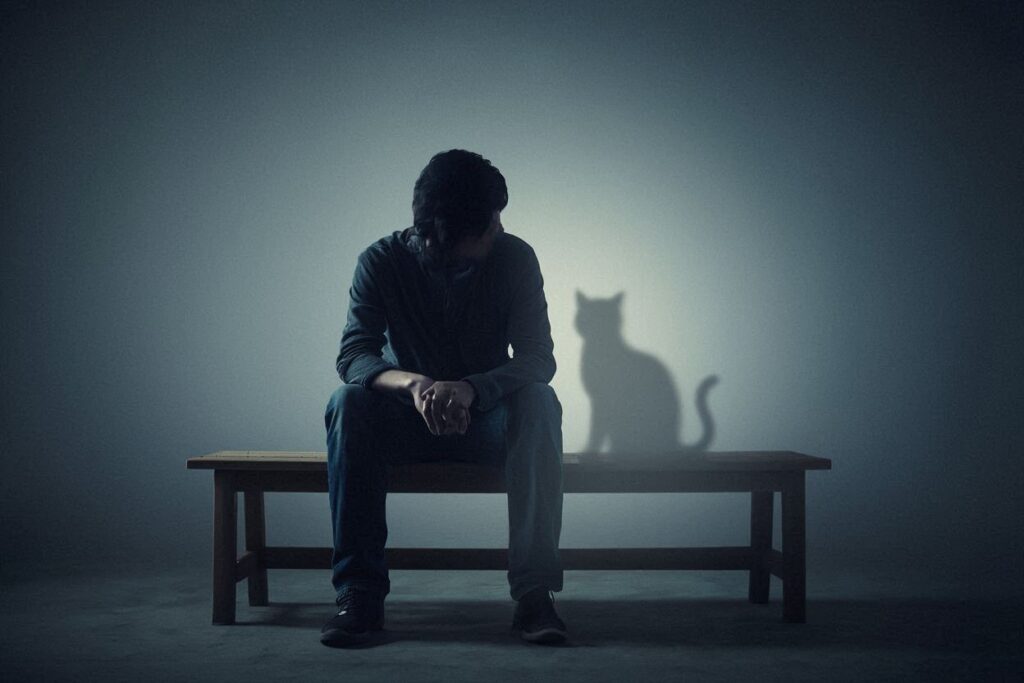
Pet Grief has no hierarchy. When a soul cat or dog leaves, the silence is as heavy as any loss. To say ‘it’s not as bad as losing a child’ is not empathy — it is erasure. For those who cannot have children, for those whose pet became their child, their confidant, their lifeline, this loss is devastating. Love is love, and when it is torn away, the grief is real, raw, and absolute. Here, we do not debate grief. We honor it.
At Home to Fur Family, we forbid cruelty, bullying, and silencing. We stand behind families who have lost a pet, because their grief is not lesser, it is not negotiable, and it is not up for debate. Every tear shed for a cat or dog is proof of a bond that deserves respect. This is a space where grief is given voice, where love is remembered, and where no one is told their pain is small.
Origins and Context

For centuries, society has placed grief into hierarchies. The loss of a spouse, a child, a parent — these were seen as ‘valid,’ while the loss of a cat or dog was pushed into the shadows. People were told to ‘get over it,’ as if the bond between human and animal were somehow lesser. This mindset is not only cruel, it is dangerous. It forces grieving families into silence, bottling emotions until they spiral into despair.
Why minimization happens:
– Pets are often labeled as “property” instead of family.
– Cultural narratives elevate human loss while dismissing animal bonds.
– Communities seek to debate grief, measuring pain instead of honoring it.
Why it’s harmful:
– It invalidates the lived experience of those whose pets are their children.
– It silences grief, pushing people into isolation.
– It creates shame around mourning, when mourning is a natural, necessary act of love.
When someone says, ‘It’s not as bad as losing a child,’ they are not offering comfort — they are erasing love. For those who cannot have children, or for those whose cat or dog became their child, this comparison is a blade. It cuts twice: once in the loss, and again in the dismissal. Here, we refuse that erasure. We declare that grief for a pet is grief for family, and it deserves the same respect.
Mental Impact

Grief does not stay politely in the heart — it storms the mind. When a cat or dog who has been your anchor is gone, the mind becomes a battlefield. Sleep vanishes, replaced by racing thoughts that replay every moment, every goodbye. The brain refuses to accept reality, clinging to disbelief: ‘It cannot be true, they cannot be gone.’
Common mental effects:
– Sleeplessness: Nights spent awake, fearing the next day will bring the final goodbye.
– Racing thoughts: Endless loops of memories, regrets, and ‘what ifs.’
– Disbelief: A refusal to accept the loss, even when the evidence is clear.
– Anger & confusion: The mind lashes out, searching for someone or something to blame.
– Spiraling when bottled: When grief is silenced, the mental storm intensifies, leading to anxiety, depression, or destructive impulses.
The danger is not in the tears — it is in the silence. When grief is bottled, the mind becomes a cage, and the storm has nowhere to escape. Here, we remind every grieving soul: your thoughts are valid, your sleepless nights are understood, and your mind deserves compassion, not dismissal.
Emotional Impact
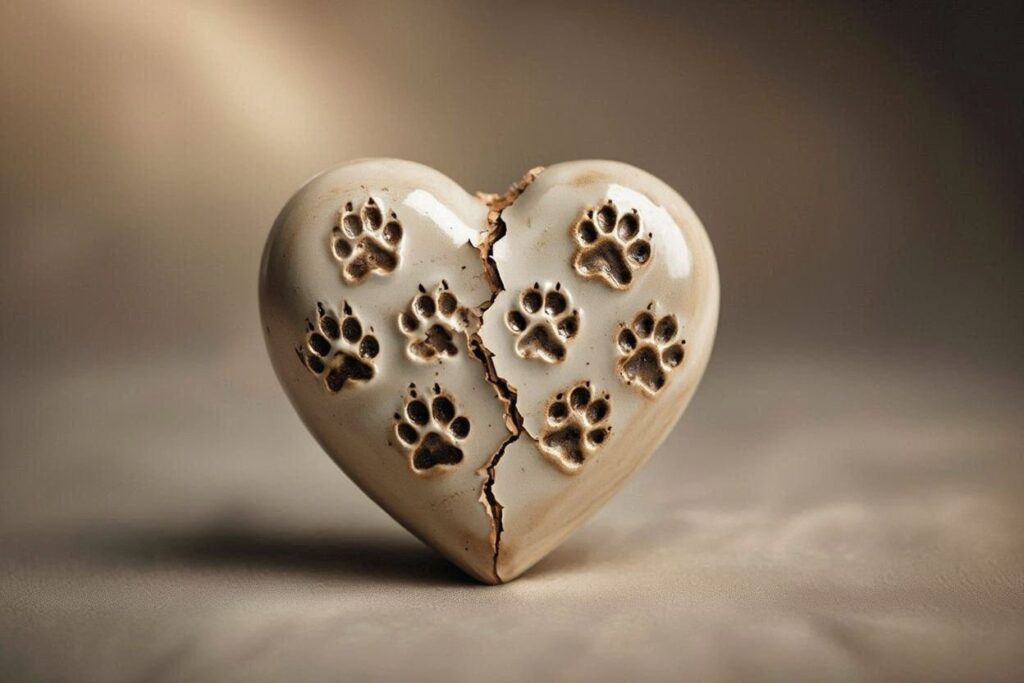
Grief is not measured in categories — it is felt in the heart. When a cat or dog who has been your child, your confidant, your anchor, is gone, the emotional collapse is total. Tears come in waves, rage erupts without warning, and emptiness settles like a shadow that will not lift. This is not ‘less than’ human grief. For many, it is the deepest grief they will ever know.
– Heartbreak: The soul feels shattered, as if a piece of life itself has been torn away.
– Rage: Anger at the unfairness, at the silence, at those who minimize the pain.
– Emptiness: A hollow space where companionship, comfort, and unconditional love once lived.
– Bond collapse: The loss of a “soul pet” is the loss of a child, a partner, a best friend rolled into one.
– Danger of dismissal: When outsiders say “not as bad,” they strike at the heart twice: once with the loss, and again with invalidation.
For those who cannot have children, their cat or dog is their child. To dismiss that grief is not only cruel, it is reckless. It forces silence, it deepens wounds, and it denies the truth: love is love, and when it is ripped away, grief is absolute. Here, we do not compare pain. We honor it.
Physical Impact and Support Pets
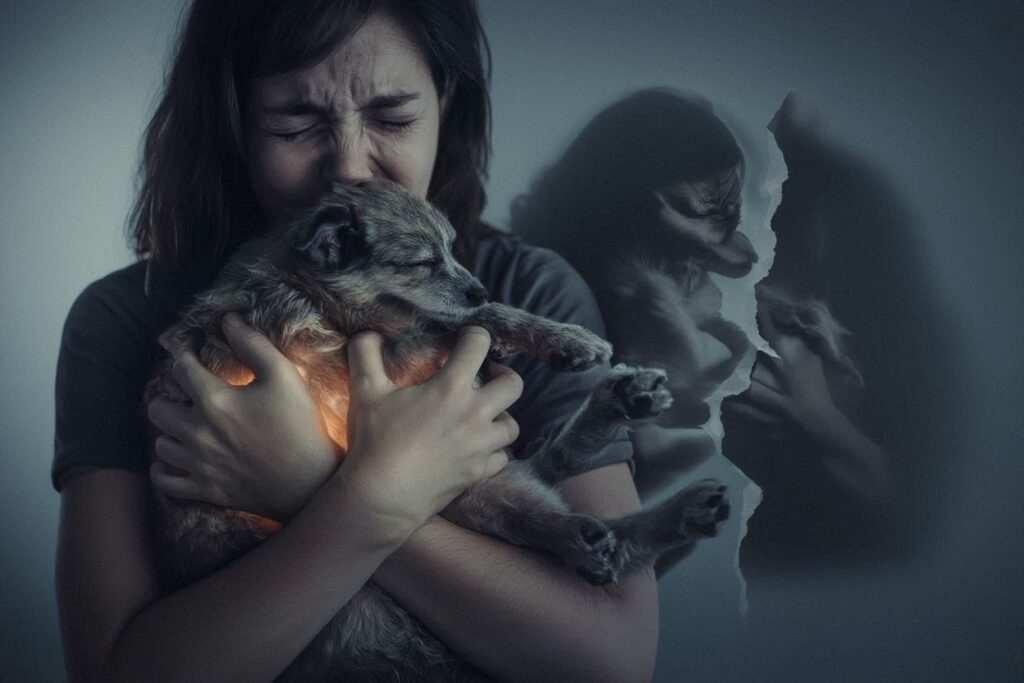
Grief does not stay in the mind or heart alone — it invades the body. Sleepless nights turn into exhaustion, migraines flare, muscles tighten, and even the immune system weakens. The body carries the weight of loss as heavily as the soul.
Physical toll of grief:
– Exhaustion: Sleeplessness drains energy, leaving the body weak.
– Migraines & tension: Stress manifests in pain, headaches, and muscle tightness.
– Immune suppression: Grief can weaken defenses, making illness more likely.
– Loss of appetite or overeating: The body struggles to regulate under emotional collapse.
Support pets — trauma doubled:
– For survivors of abuse, trauma, or chaos, pets are often the stabilizers.
– A cat or dog becomes the emotional support system, the “child” they lean on.
– When that pet is ripped away, it is not just grief — it is trauma multiplied.
– “It is like standing in the center of a tornado, waiting for it to rip you apart.”
To lose a support pet is to lose the lifeline that held trauma at bay. It is not ‘less than’ — it is devastation layered upon devastation. Here, we name that truth: grief for a support pet is grief for survival itself
Social and Cultural Significance

Grief does not exist in isolation — it is shaped by the voices around us. Too often, those voices dismiss pet loss, saying ‘it’s not as bad’ or ‘you’ll get another one.’ These words are not comfort; they are cruelty disguised as logic. They fracture communities, forcing grieving families into silence.
How society fails pet grief:
– Dismissive comparisons: “Not as bad as losing a child” erases the depth of the bond.
– Cultural blind spots: Pets are still seen as ‘property’ in many traditions, not family.
– Debate culture: People argue grief instead of honoring it, measuring pain like currency.
– Isolation: Grieving families withdraw, feeling judged or misunderstood.
Why safe spaces matter:
– Communities like Home to Fur Family refuse minimization.
– They validate grief as real, equal, and sacred.
– They provide connection, preventing silence and spirals.
– They honor pets as children, partners, and lifelines — not possessions.
Grief for a cat or dog is grief for family. To dismiss it is to wound twice: once in the loss, and again in the denial. That is why we build spaces where empathy is law, where love is remembered, and where no one is told their pain is small.
Coping and Support
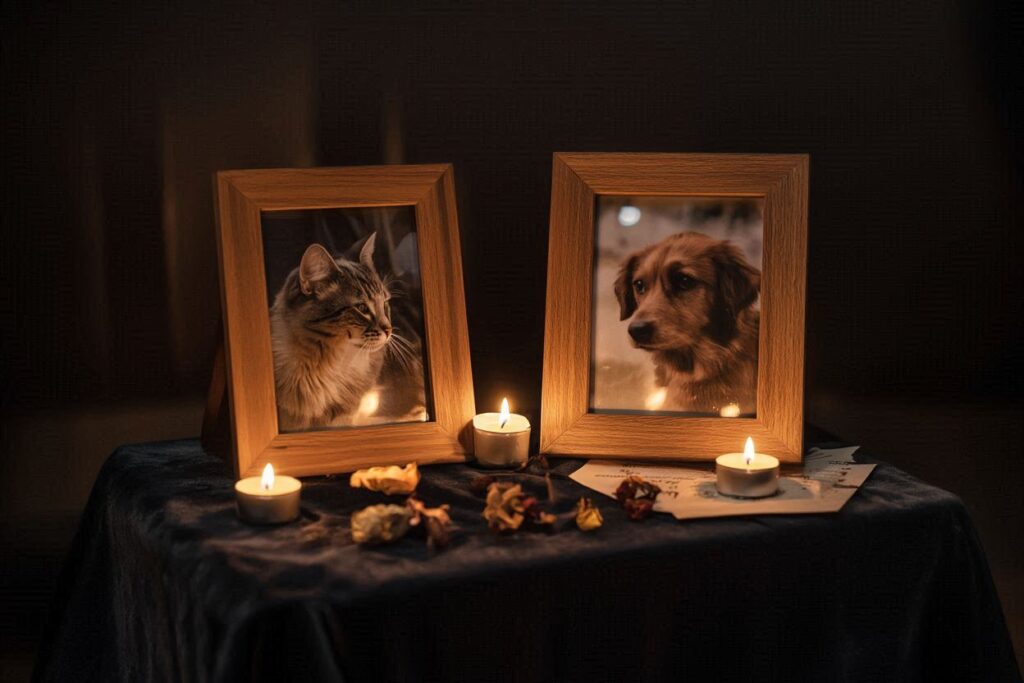
Grief is not solved by clichés. ‘They’re in a better place.’ ‘Time will heal.’ ‘It will get better.’ These words are often offered as comfort, but they land as dismissal. They do not capture the depth of what a grieving soul is enduring. In truth, there are no words in the English language that can make this fine. Healing is not dictated by time or platitudes — it is a road each person must walk themselves, in their own way, at their own pace.
Why clichés fail:
– “They’re in a better place”: Suggests the mourner should be comforted, but instead it denies their pain in the present.
– “Time will heal”: Implies grief has an expiration date, when in reality, some wounds never fully close — even decades later.
– “It will get better”: Minimizes the intensity of loss, as if grief is a simple curve that always trends upward.
The truth of grief:
– Healing is personal, not universal.
– Some people never “get over” the loss — they learn to live alongside it.
– Healthy coping means expressing grief, not bottling it.
– Support is not about fixing pain, but about standing with someone in it.
Coping is not about silencing grief — it is about giving it space. Writing, sharing, rituals of goodbye, community validation: these are the lifelines. And if healing takes 20 years, or never comes at all, that is not failure. That is love refusing to fade.
When Grief Overwhelms
If you are experiencing sleepless nights, racing thoughts, heartbreak, or physical symptoms such as exhaustion and migraines, please consult a healthcare provider. Therapy or support groups can provide safe spaces to process grief. Do not hide your symptoms or bottle your pain — your health and healing deserve care and compassion.
Conclusion

Grief is love with nowhere to go. It does not shrink because the world says it should, it does not fade because time demands it. For every soul cat, every loyal dog, every support pet who carried us through chaos, their absence is a storm that cannot be debated away. Here, we refuse the clichés, the comparisons, the silencing. Here, we honor the sleepless nights, the broken voices, the trembling hands. Because every tear is proof of a bond that cruelty can never erase, and every bond deserves remembrance. This is Home to Fur Family — where grief is sacred, love is eternal, and no one is told their pain is small.
Resources and Support
For those seeking further guidance, community, or professional support in navigating pet loss grief:
– Two Hearts Pet Loss Center — Professional grief support and education.
– Association for Pet Loss and Bereavement (APLB) — Non‑profit offering counseling and training.
– The Ralph Site — Online memorials and community support.
– Center for Pet Loss Grief — Counseling and coping strategies.
– Pet Loss Community Blog — Veterinarian and mental health perspectives.
– Love, Baxter — End‑of‑life care and memorial inspiration.
Credit
A big thank you to Microsoft for the images provided!
More from Home to Fur Family
Black Cat: Mystery of the Ancient Time & Magic
Dog’s we love Secret of The Lost Pleistocene Wolf
Join Our Support Group
Grief is not a journey you should walk alone. Alongside this blog, we host the Home to Fur Family Support Group — a private, safe space where families grieving the loss of pets can share their stories, honor their companions, and find empathy without judgment.
All pets welcome — cats, dogs, birds, fish, and every beloved companion.
Voices must be heard — no one is silenced, every story matters.
Zero tolerance — no cruelty, no bullying, no dismissive comparisons, no promotions.
Instant removal for violations — safety and respect are non‑negotiable.
Your grief is real. Your love is eternal. And in our group, your fur, feathered, or finned family will always be remembered.