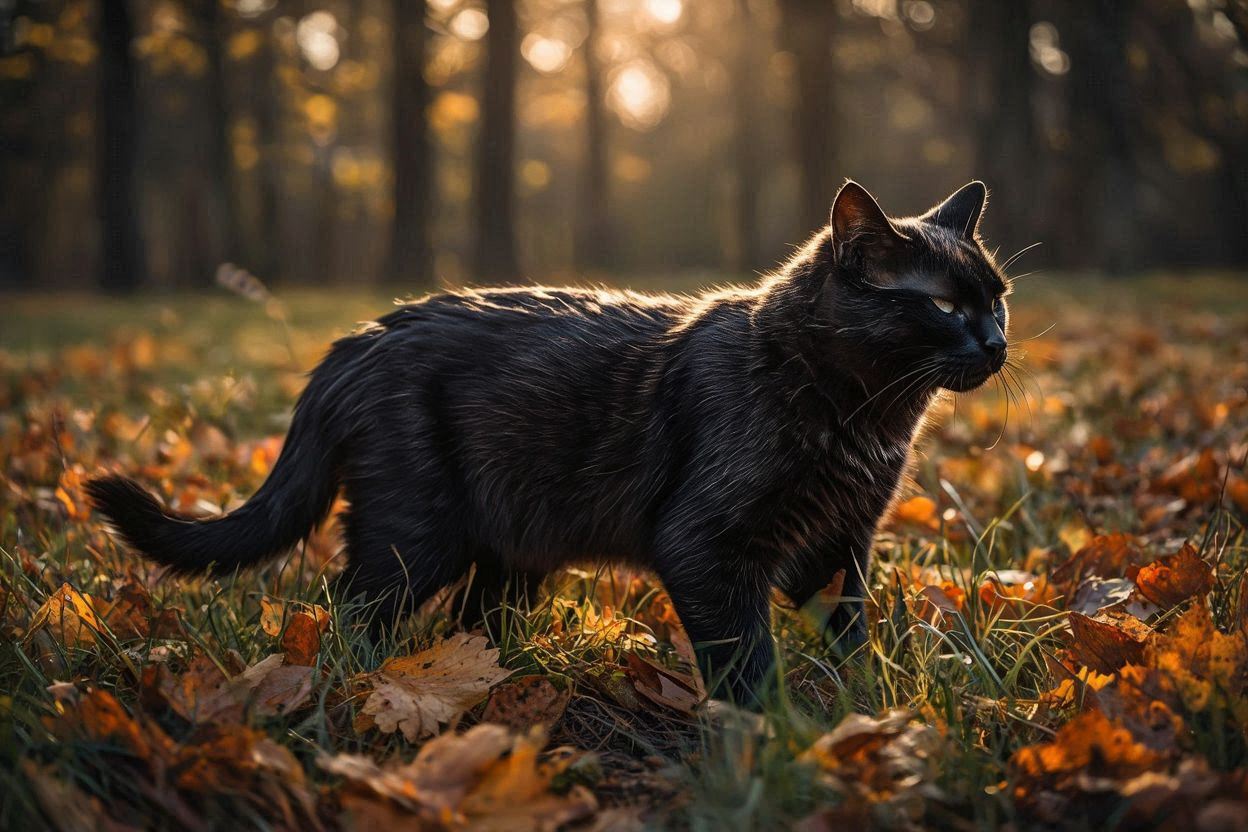
Black Cat: Mystery of the Ancient Time & Magic
Introduction: A Creature of Mystery
Few animals have walked the thin line between reverence and fear quite like the black cat. Across centuries and cultures, this dark-furred feline has been worshipped as a guardian, feared as a supernatural omen, and cherished as a loyal companion.
Scientifically, the black cat is not a separate breed but rather a striking expression of a genetic phenomenon known as melanism — the same pigment trait responsible for the dark coats of animals like panthers and jaguars. Yet beyond biology lies something deeper: a cultural legacy that stretches from ancient temples to modern internet fame.
From the sacred cities of Ancient Egypt to the superstition-laden villages of medieval Europe, black cats have carried an aura of mystery unmatched by most domestic animals.
Today, despite the myths and legends surrounding them, black cats remain among the most affectionate and adaptable companions in the feline world.
They are not creatures of misfortune.
They are living symbols of humanity’s long relationship with cats — a relationship woven from science, folklore, and fascination.
Ancient Origins & Lore
The story of black cats begins thousands of years ago, where reverence for cats was deeply embedded in early civilizations.
Sacred Guardians of Egypt
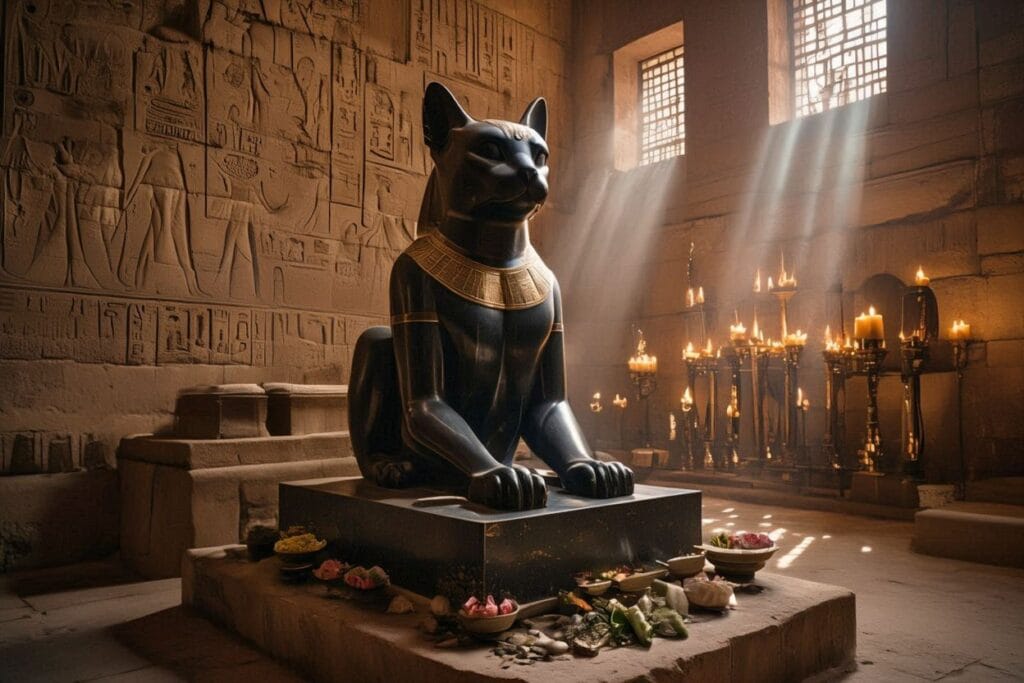
In Ancient Egypt, cats were considered sacred animals. They were closely associated with Bastet, the goddess of home, fertility, protection, and joy.
Bastet was often depicted as a woman with the head of a cat or as a fully black feline. Killing a cat — even accidentally — was considered a serious crime, sometimes punishable by death.
Cats protected grain stores from rodents and snakes, making them invaluable companions in Egyptian society.
Many historians believe that black cats, with their striking appearance and night-adapted hunting abilities, were particularly admired.
Celtic and Norse Mythology
Across northern Europe, black cats were believed to possess supernatural abilities.
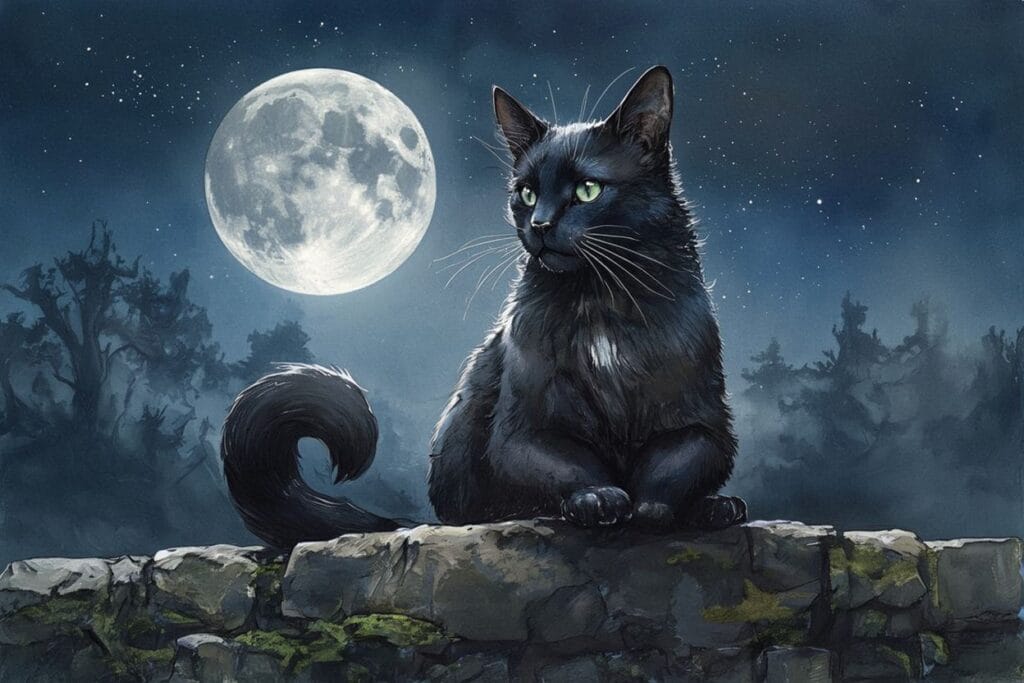
In Celtic folklore, a mysterious creature called the Cat Sìth was described as a large black cat with a white patch on its chest. It was said to roam the Scottish Highlands, guarding the boundary between the physical world and the spirit realm.
In Norse mythology, the goddess Freyja was said to ride a chariot pulled by two large cats, often described as dark-colored or black.
These associations connected black cats to magic, protection, and divine power.
Japan: Symbols of Fortune
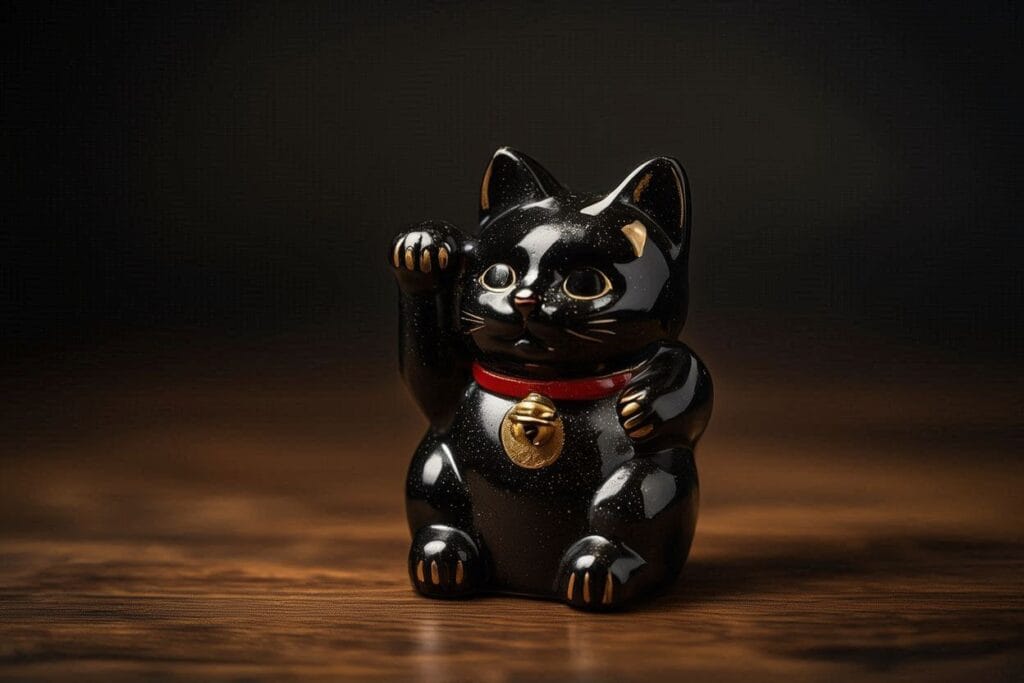
In Japan, black cats have long been viewed as symbols of luck and prosperity.
Unlike Western superstition, where black cats sometimes represent misfortune, Japanese folklore considers them protectors against evil spirits.
Black versions of the famous Maneki-neko (“beckoning cat”) statues are believed to ward off negative energy and attract prosperity.
For single women, owning a black cat was traditionally thought to attract good romantic prospects.
Medieval Europe and Witchcraft
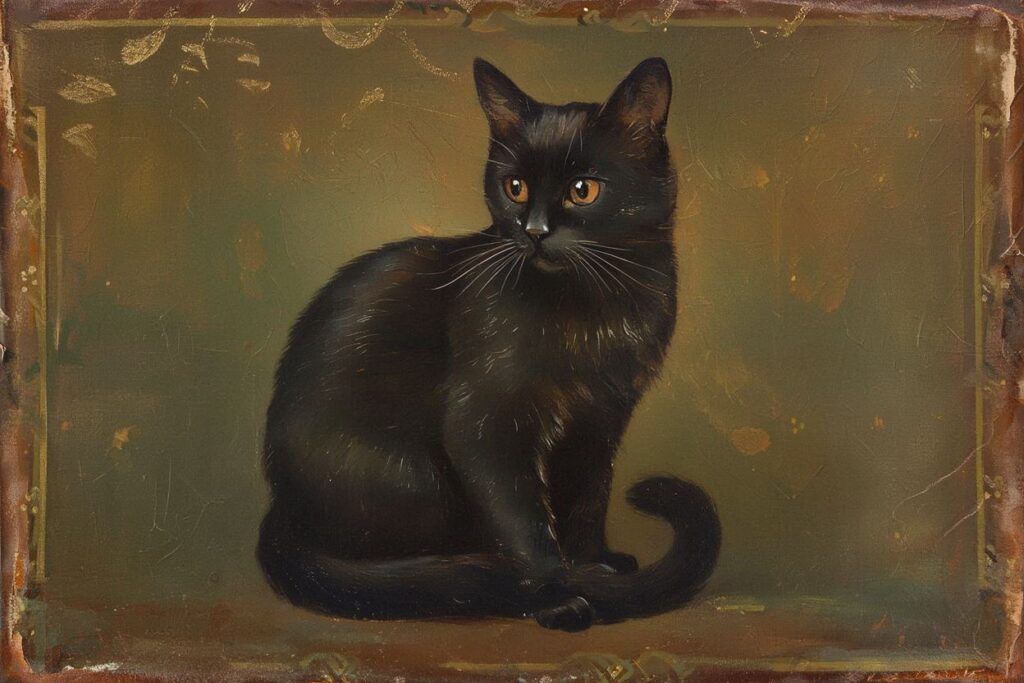
The reputation of black cats took a darker turn during the Middle Ages.
In parts of Europe, especially during periods of intense superstition, black cats became linked with witchcraft. Some believed witches could transform into black cats or used them as supernatural companions known as familiars.
During the witch trials of the 15th–17th centuries, both cats and their owners were sometimes persecuted.
Ironically, historians believe that killing large numbers of cats during this period may have worsened rodent infestations, which contributed to the spread of diseases like the Black ”eath.
Physical Traits & Genetics
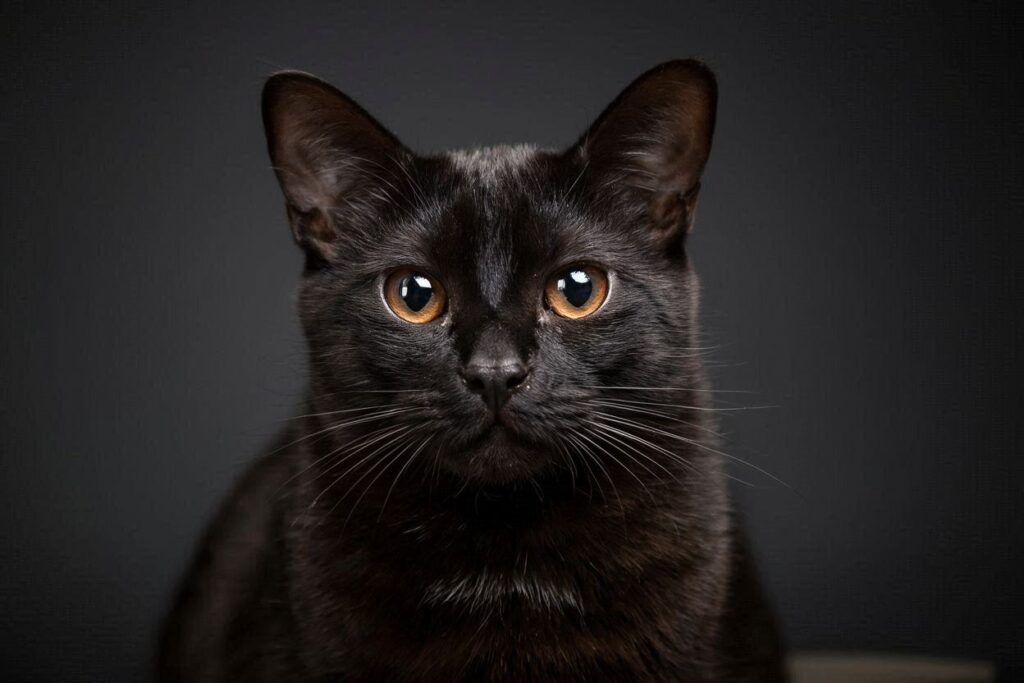
Despite centuries of superstition, the black coat of these cats is simply the result of fascinating genetic biology.
The Science of Melanism
Melanism occurs when genes cause an increased production of dark pigment known as melanin.
This results in:
* Jet black fur
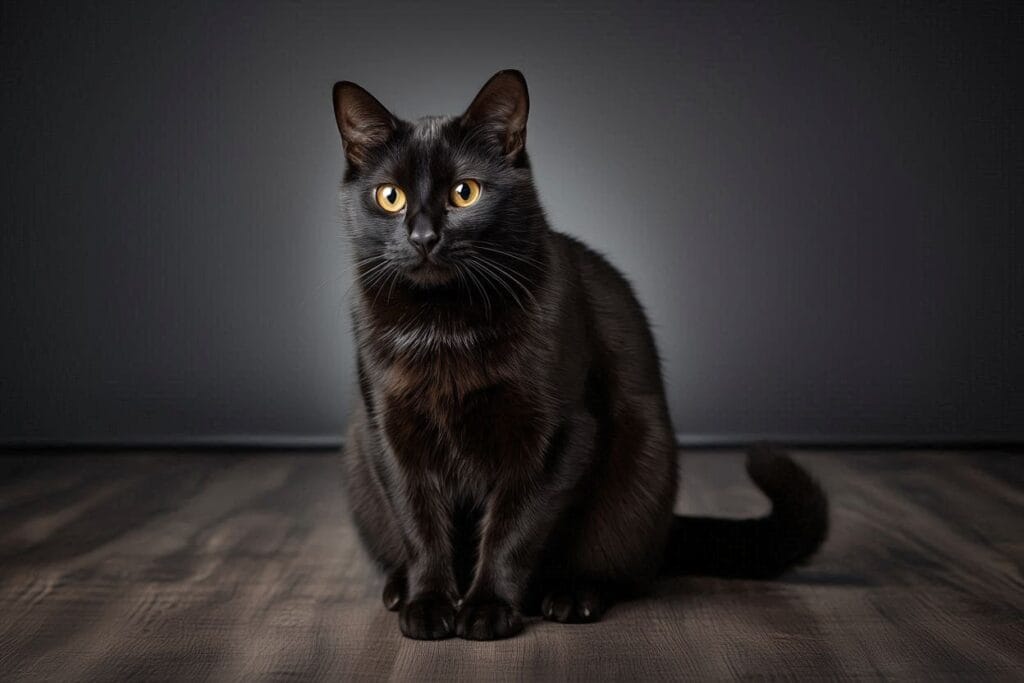
* Often golden or copper-colored eyes
* A glossy coat that reflects light dramatically
In some sunlight, black cats may even show faint tabby striping — a hidden genetic pattern beneath the dark pigment.
Interestingly, some scientists believe melanism may offer health advantages, including stronger immune responses.
Breeds Known for Black Coats
While black cats appear in many mixed-breed populations, several breeds are known for frequently producing black coats.
These include:
* Bombay Cat – bred specifically to resemble a miniature black panther
* Maine Coon – one of the largest domestic cat breeds, sometimes appearing in deep black coats
* Domestic Shorthair – common household cats with a wide variety of coat colors
The Bombay Cat is particularly famous for its sleek, shiny coat and copper eyes, giving it an almost panther-like appearance.
Natural Hunting Advantages
Dark coats may offer subtle advantages in nature.
Black fur allows cats to:
* Blend into shadows during nighttime hunts
* Move unnoticed through dense vegetation
* Ambush prey more effectively
These stealth advantages likely helped dark-colored cats survive and thrive in wild environments.
Personality and Behavior
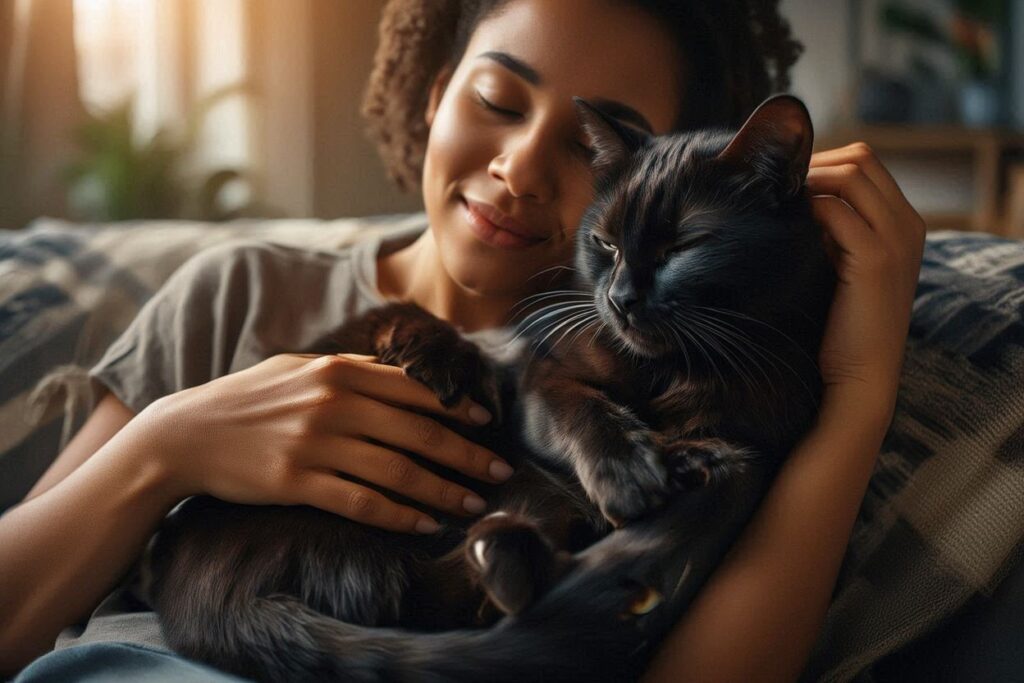
Despite myths portraying them as sinister creatures, black cats behave no differently from other domestic cats.
In fact, many owners report that black cats are particularly affectionate and playful.
Common personality traits include:
* Strong attachment to their owners
* Curiosity and intelligence
* High adaptability to family life
* Gentle, social behavior
The misconception that black cats are aggressive or unlucky likely comes from centuries of folklore rather than real behavioral differences.
Modern pet owners frequently describe black cats as loyal companions that enjoy human interaction.
Genetic Heritage & Preservation
The domestic cat, including black-coated individuals, descends from the African Wildcat, a small desert predator that still lives across Africa and the Middle East.
Unlike dogs — which evolved from an extinct wolf lineage — domestic cats remain genetically very close to their wild ancestor.
This means black cats retain many natural feline instincts, including:
* Exceptional night vision
* Silent stalking ability
* Territorial awareness
Breeders and geneticists today work to maintain healthy populations while preserving coat variations like melanism.
Genetic diversity is crucial to preventing inherited health problems and maintaining strong feline populations.
Recognition & Popularity
In modern culture, black cats occupy a unique position.
They are both beloved icons and misunderstood animals.
Halloween Symbolism
In Western countries, black cats became closely associated with Halloween, appearing in decorations, films, and stories as mysterious companions of witches.
While this imagery often portrays them as spooky, it also helped cement their place in popular culture.
Adoption Challenges
Unfortunately, superstition has had real consequences.
Animal shelters frequently report that black cats:
* Are adopted less often
* Spend longer waiting for homes
* Are sometimes overlooked in favor of lighter-colored cats
Some shelters even observe a phenomenon known as “Black Cat Syndrome,” where darker cats receive less attention from potential adopters.
Advocacy Campaigns
Animal welfare groups now actively promote black cat adoption.
Organizations such as the ASPCA often run awareness campaigns highlighting the beauty and affectionate nature of black cats.
Social media has also helped shift perceptions, turning black cats into viral stars across platforms.
Cultural Significance Around the World
Beliefs about black cats vary dramatically between cultures.
Scotland
In Scottish folklore, a black cat appearing at your door was considered a sign of incoming prosperity.
Japan
In Japan, black cats are believed to bring good luck and ward off evil spirits.
United States
In the United States, a common superstition claims that a black cat crossing your path brings bad luck.
However, historians believe this idea emerged during medieval witchcraft fears rather than any ancient belief.
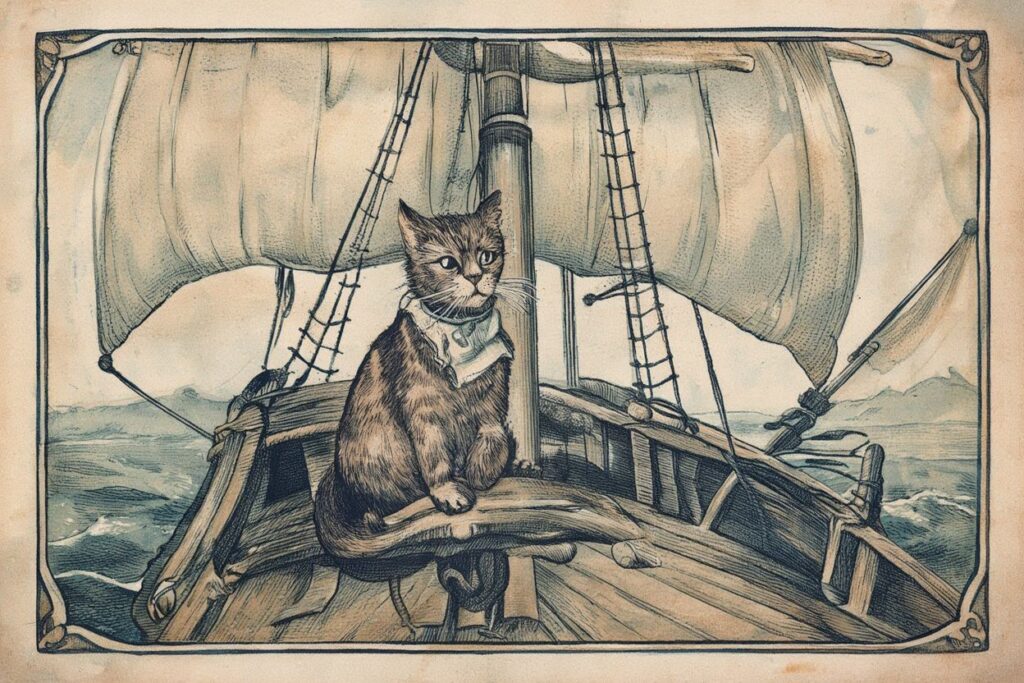
Pirates and Sailors
Sailors and pirates once kept black cats aboard ships to control rodents.
Many believed these cats could predict storms or bring luck on long voyages.
Health & Care
From a health perspective, black cats require the same care as any other domestic feline.
Grooming
Their coats are typically smooth and glossy, requiring minimal grooming. Regular brushing helps maintain shine and remove loose hair.
Diet
A balanced diet rich in protein supports coat health and energy levels.
Veterinary Care
Routine veterinary visits, vaccinations, and parasite prevention are essential for maintaining long-term health.
Indoor Safety
Because black cats can be difficult to see at night, keeping them indoors helps reduce risks from traffic and predators.
Quick Facts
| Feature | Details |
| Origin | Ancient Egypt and global folklore |
| Lifespan | 12–16 years |
| Coat | Solid black (melanism) |
| Temperament | Playful, intelligent, affectionate |
| Roles | Companion, cultural symbol |
| Symbolism | Luck, mystery, protection |
Frequently Asked Questions
1. Are black cats unlucky?
No. The belief that black cats bring bad luck comes from medieval European superstition rather than science or history.
2. Do black cats have different personalities?
No scientific evidence suggests that black cats behave differently from other cats.
3. Why are black cats harder to adopt?
Superstition, cultural myths, and photography challenges (they can be harder to photograph) sometimes cause people to overlook them in shelters.
4. What breeds can be black?
Many breeds can produce black coats, including the Bombay Cat, Maine Coon, and Domestic Shorthair.
5. Do black cats live longer?
Some studies suggest melanistic cats may have stronger immune systems, but lifespan mostly depends on care, genetics, and environment.
Conclusion
The black cat is far more than a symbol of superstition.
From sacred temples in Ancient Egypt to modern homes around the world, these shadow-cloaked felines have walked beside humanity for thousands of years.
Their dark coats carry whispers of myth and mystery, yet behind those golden eyes lies the same gentle, curious spirit found in all domestic cats.
The black cat is not a creature of bad luck.
It is a living thread woven through human history — a guardian of ancient stories, a symbol of resilience, and a companion of enduring grace.
Also See / Read More
– The Historical Heavyweight: World History Encyclopedia
– The Science & Nature Link: Smithsonian Magazine
– The Folklore Specialist: The British Museum
– Animal Welfare & Care: ASPCA
Credit
A thank you to Microsoft for the images provided.
Also See
The Ancient Saluki — A Living Legacy