Afghan Hound Dog: Secrets of the Ancient Spirit & Hunter
Introduction
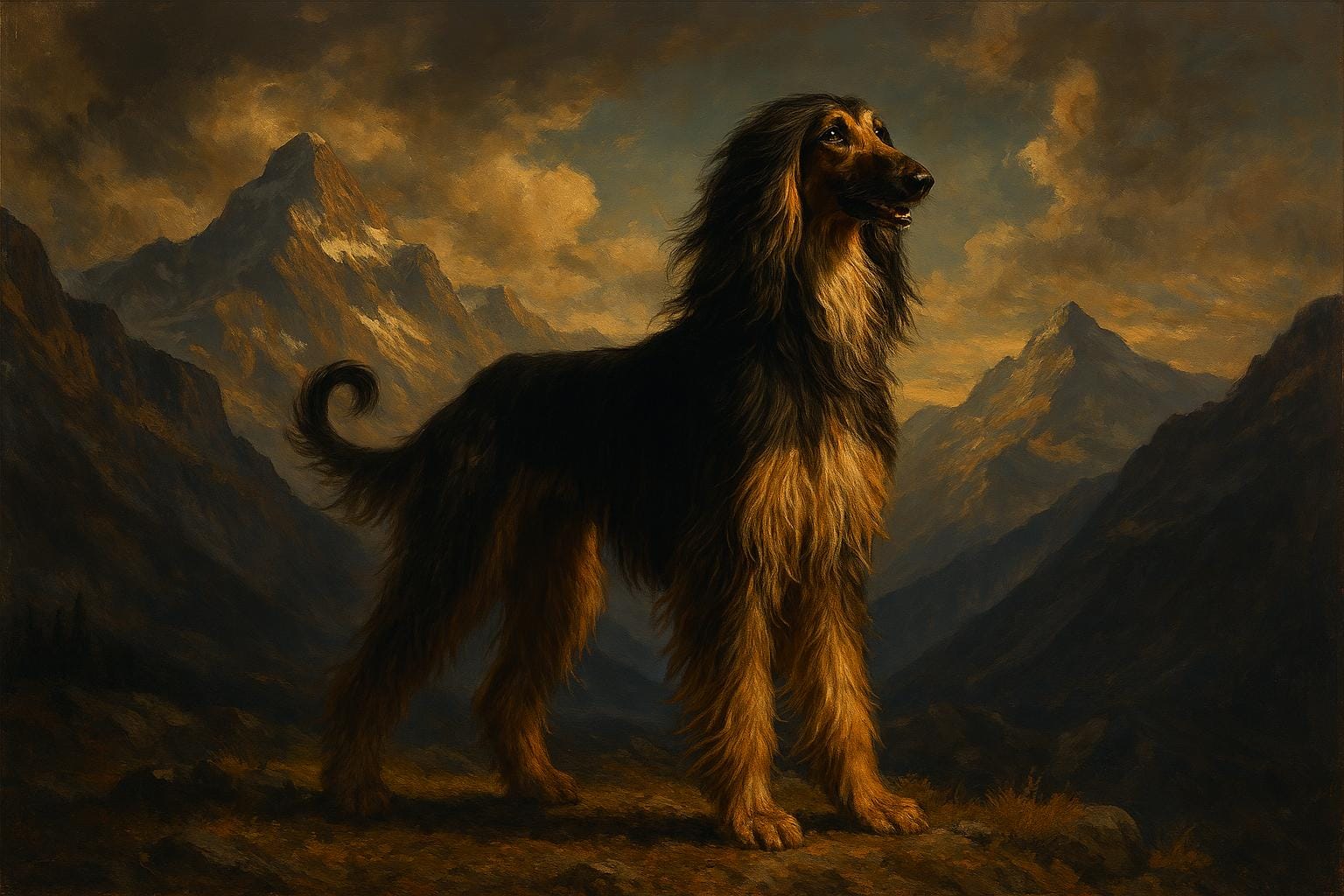
With flowing silk and a regal stride, the Afghan Hound stands as a living relic of Central Asia’s mystique — an aristocrat of the canine world, timeless, untamed, and endlessly captivating. This breed embodies raw natural beauty shaped by centuries of refinement, carrying the spirit of the rugged mountains and nomadic traditions that forged its legacy.
Celebrated for elegance, speed, and noble temperament, the Afghan Hound has enchanted humans for millennia. From hunting alongside tribes in unforgiving highlands to gracing modern homes and international dog shows, it symbolizes resilience, refinement, and a history that continues to inspire admiration.
Every strand of its luxurious coat tells a story; every graceful step whispers of ancient mountains, vast horizons, and the enduring bond between people and their aristocratic hound.
Origins & History: A Tale as Old as Time
The Afghan Hound’s journey begins in the towering highlands of Afghanistan, Persia, and northern India, where survival demanded speed, stamina, and keen senses. Bred for these traits, the Afghan Hound became both hunter and companion in some of the world’s most challenging terrains.
Archaeological evidence — cave paintings, carvings, and Middle Eastern artwork — depict sleek, long‑legged dogs chasing gazelles and hares across rocky landscapes. These images, dating back over 3,000 years, place the Afghan Hound among the oldest known breeds.
Locally known as the Tazi, it was revered by nomadic tribes not only for hunting prowess but also as a symbol of status. Nicknamed the “King of Dogs,” it reflected regal bearing, loyalty, and unmatched skill. Afghan Hounds hunted gazelles, hares, and even elusive snow leopards, prized for their speed, agility, and extraordinary eyesight.
Fun Fact: Afghan Hounds were so treasured they were rarely sold. Instead, they were exchanged as gifts of honor and prestige, underscoring their esteemed role in tribal culture.
Beyond physical prowess, Afghan Hounds carried spiritual significance. Among certain traditions, they were considered ritually pure — one of the few breeds welcomed inside homes and tents. This reverence elevated them from guardians to sacred companions, deepening their bond with the people of their homeland.
Physical Traits: Elegance in Motion
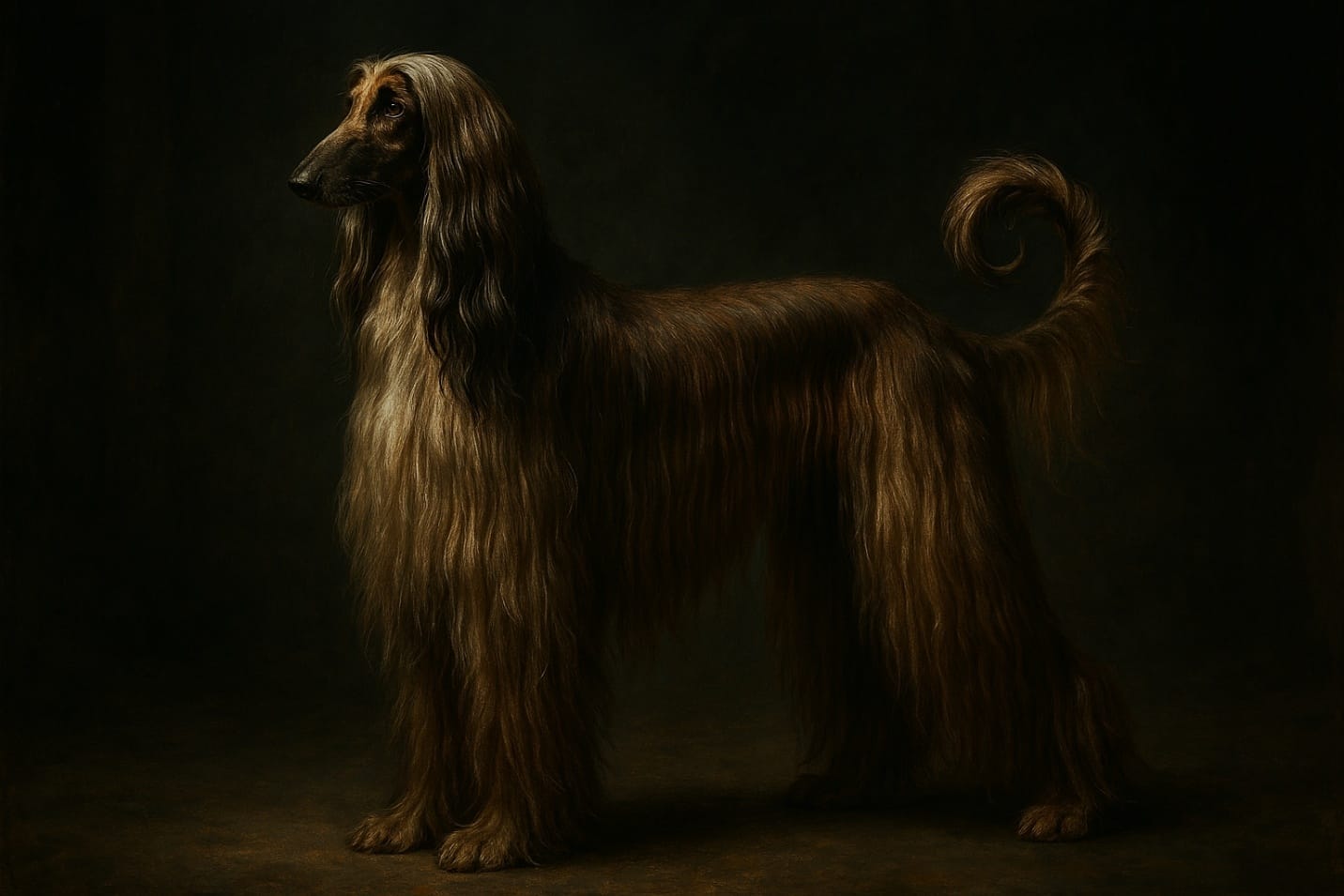
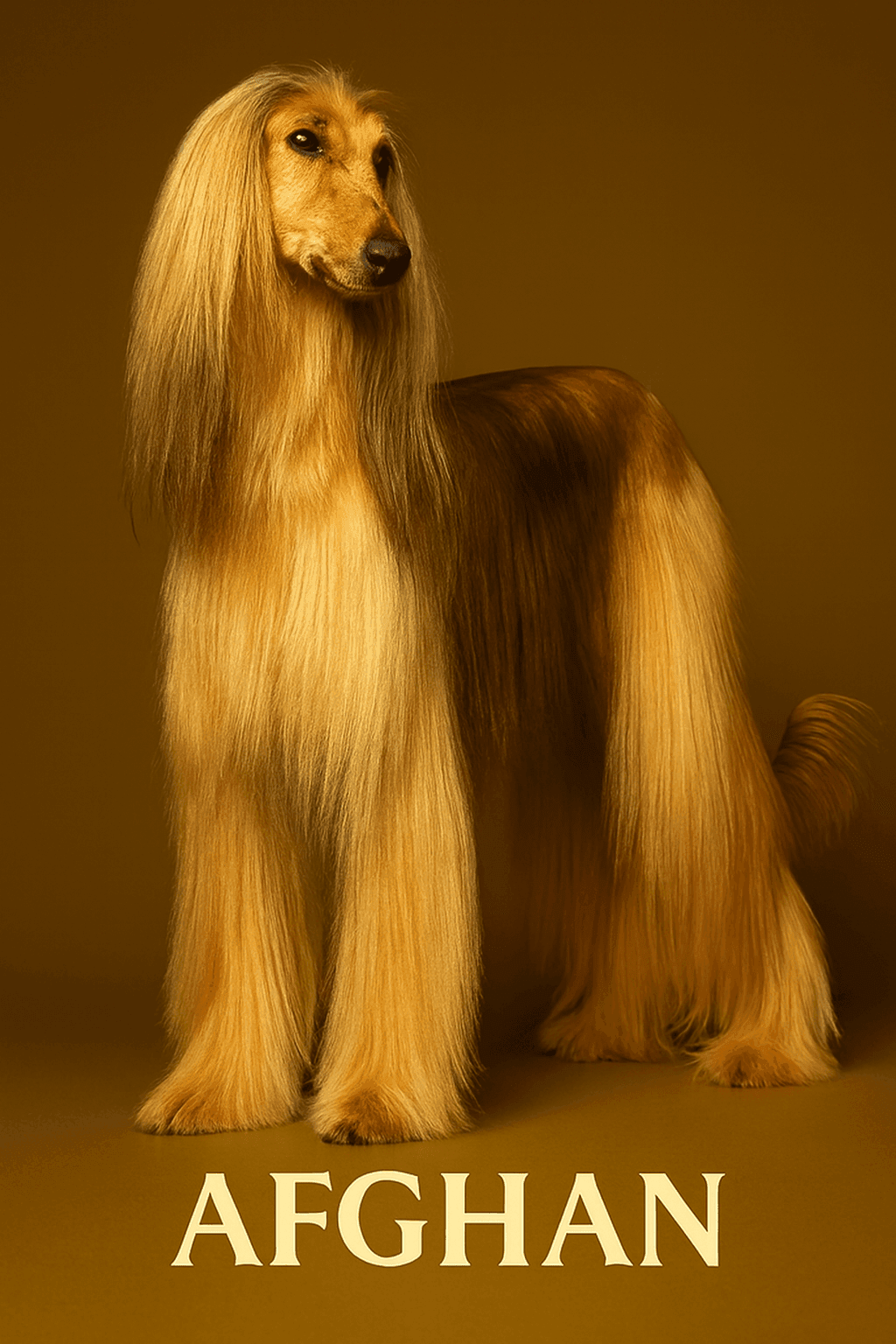
The Afghan Hound is the epitome of canine elegance, designed by nature for speed, agility, and endurance. Its long, silky coat, adapted to cold mountainous climates, provides insulation while allowing remarkable flexibility, enabling the dog to navigate rugged terrain with effortless grace.
Key Physical Features
– Height: 24–29 inches (61–74 cm), statuesque yet agile
– Weight: 50–60 pounds (23–27 kg), balancing strength and speed
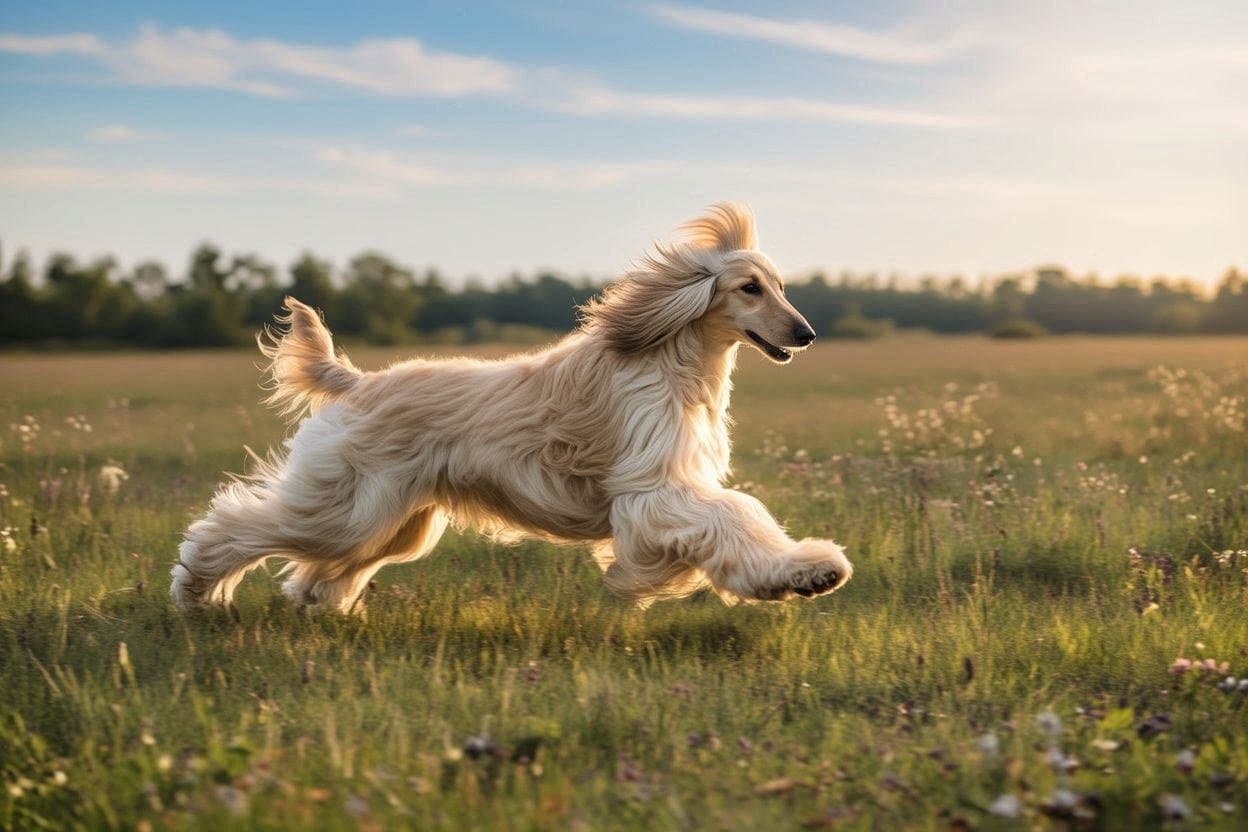
– Top Speed: Up to 40 mph (64 km/h) in short bursts
– Coat: Long, flowing, silky, in colors from black and cream to red, brindle, blue, or gold
– Distinctive Features: Regal topknot, ring‑curled tail, expressive noble face
– Gait: Known for a “floating” or “dancing” stride, often likened to mist drifting across mountain valleys
Fun Facts
– Afghan Hound puppies begin with short coats that transform into their iconic flowing silk.
– Persian poets compared their gait to gazelles bounding across highlands — a living poem in motion.
Cultural Significance: A Symbol Woven Through Art and Tradition
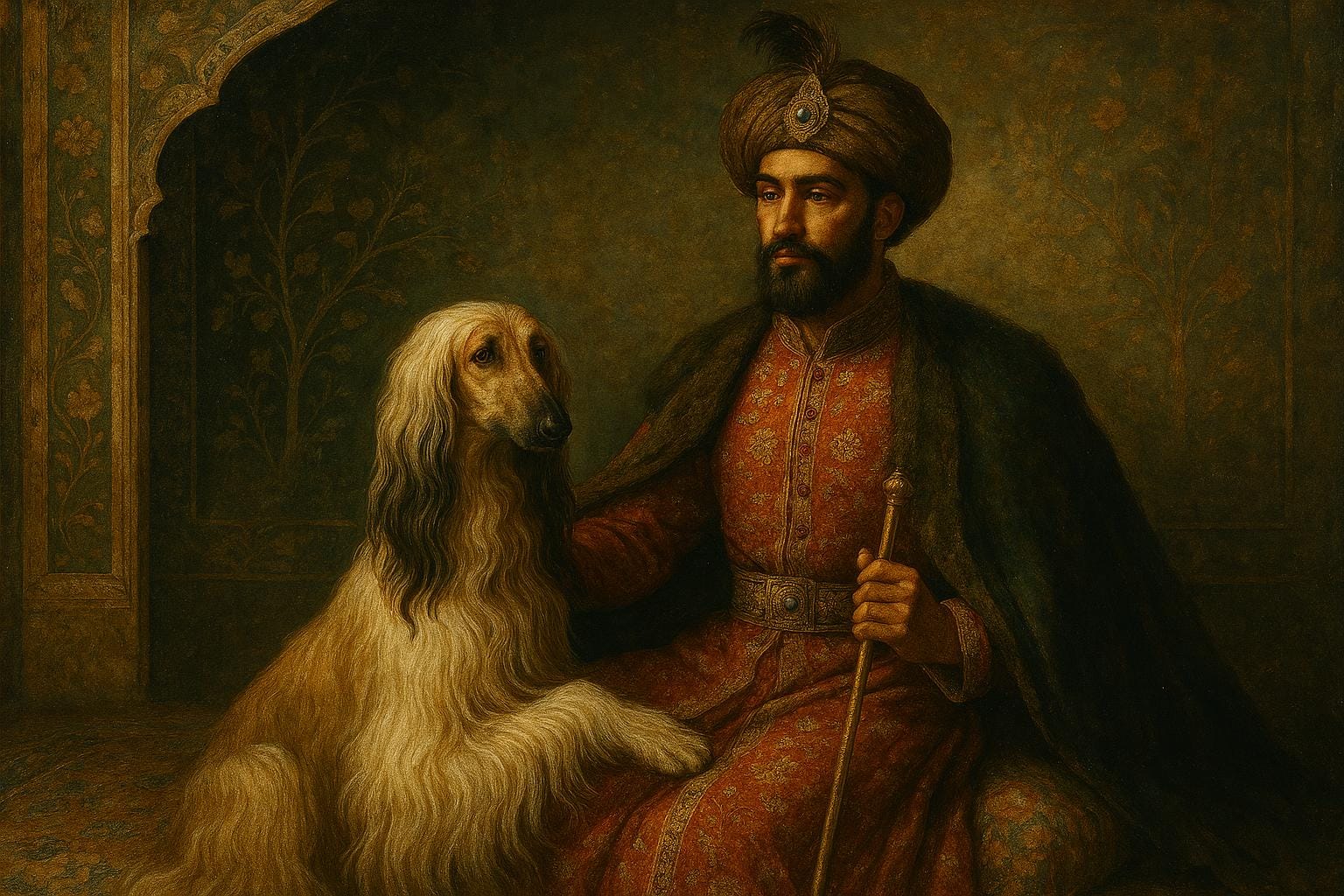
The Afghan Hound’s importance extends beyond beauty and hunting skill, deeply rooted in Central Asian and Persian traditions. In miniature art, they appear beside royalty and hunters, celebrated as emblems of refinement. Folklore portrays them as mystical companions to heroes and protectors of tribes, embodying speed and spirit.
Nomadic peoples revered Afghan Hounds not only as hunters but as symbols of prestige and guardians of honor. Their role in ceremonies and legends reflects a bond that transcended utility, making them living links between humans and the natural world.
Personality & Behavior: Nobility with Independence
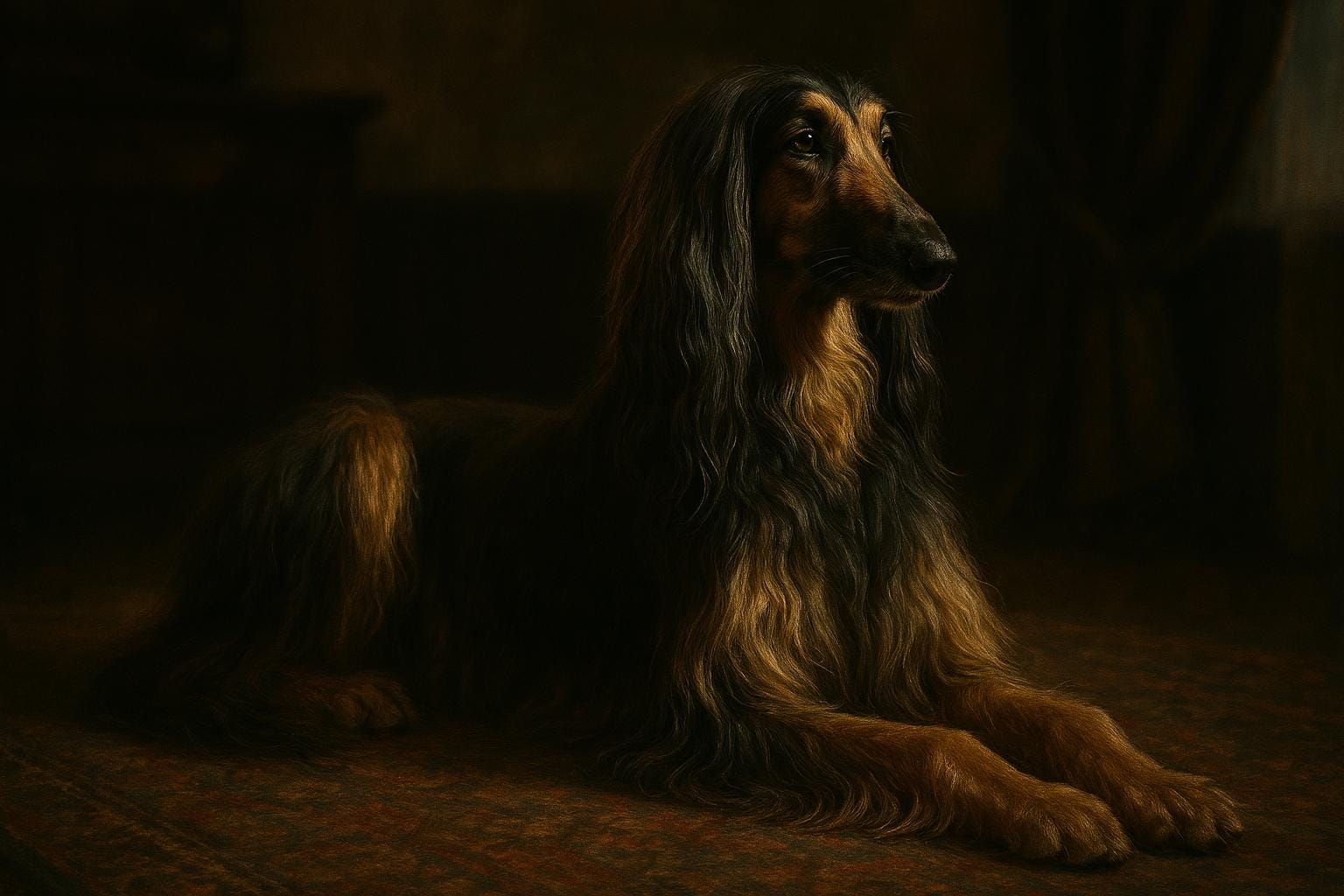
Afghan Hounds possess a complex personality — noble, independent, yet deeply loyal. They bond closely with one special person while maintaining dignified aloofness toward strangers.
Key Traits
– Brilliant yet willful, requiring patient, respectful training
– Calm indoors, playful and energetic outdoors
– Emotionally sensitive, attuned to their owner’s moods
– Cat‑like independence, selectively obedient and instinct‑driven
Fun Facts
– Often called “cat‑like dogs” for their selective behavior.
– Known escape artists — secure fencing is essential.
– Communicate with unique chirping or trilling sounds, adding charm to their aristocratic presence.
Genetic Lineage & Preservation: A Living Link to the Past
Genetic studies confirm the Afghan Hound as one of the 14 ancient dog breeds, kin to other sighthounds yet uniquely shaped by the highlands of Central Asia. For centuries, tribal kennels and royal courts safeguarded its bloodlines, preserving speed, elegance, and hunting prowess.
In the early 20th century, Western breeders imported Afghan Hounds, pledging to honor authentic heritage. Today, dedicated breeders focus on:
– Maintaining genetic diversity for health and longevity
– Preserving traditional traits and aristocratic appearance
– Upholding standards recognized by AKC, FCI, and The Kennel Club (UK)
Recognition & Popularity: From Tribal Lands to Global Spotlight
From tribal prestige to Western fascination, the Afghan Hound’s journey reflects both tradition and glamour. In 1920s Britain, they became known as “fashion dogs,” admired for their flowing coats and poised demeanor. Soon, they starred in dog shows, lure coursing, and competitions, standing alongside Greyhounds and Whippets as elite athletes.
Fun Facts
– Featured in 20th‑century advertising as symbols of luxury and sophistication.
– Still celebrated today for unmatched speed and elegance in canine sports.
Organizations such as the Afghan Hound Club of America and Afghan Hound Association (UK) continue to promote education, preservation, and breed excellence.
Practical Guide for Afghan Hound Owners
– Daily walks plus off‑leash runs in secure areas
– Short sprints to satisfy hunting instincts
– Games and training to challenge their intelligence
Living Environment
– Thrive in homes with space and secure fencing
– Adaptable to apartments if exercised well
– Calm indoors, energetic outdoors
Grooming & Coat Care
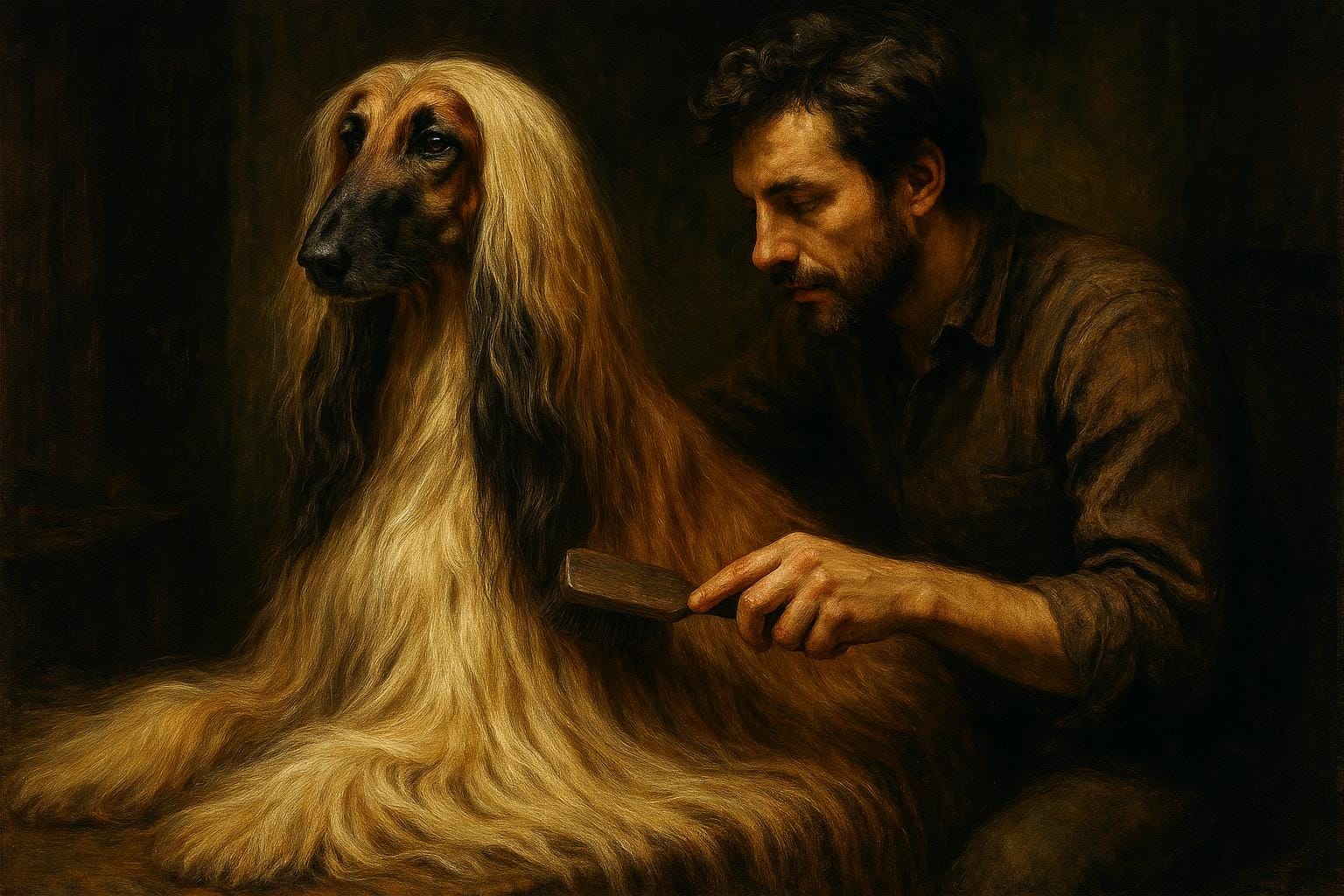
– Weekly brushing to prevent tangles
– Regular baths for coat health and shine
– Consistent grooming essential for well‑being
Feeding & Nutrition
– High‑quality, protein‑rich diet for energy
– Omega supplements for coat health
– 2–3 cups (0.5–0.7 kg) twice daily
– Monitor weight carefully with activity changes
Traveling with Afghan Hounds
Spacious crates are essential for comfort. Grooming tools should travel with them to protect their delicate coat. Breaks for exercise keep journeys stress‑free, whether for shows or family trips.
Health & Care: Longevity Through Vigilance
Afghan Hounds are generally robust, but their aristocratic build and flowing coat require attentive care. Potential owners should be aware of breed‑specific concerns that may affect quality of life:
– Hip dysplasia — impacts joint health and mobility
– Cataracts & Progressive Retinal Atrophy (PRA) — may impair vision or cause blindness
– Thyroid issues — hypothyroidism can affect metabolism and energy
– Autoimmune disorders — occasionally affecting skin, coat, or internal organs
– Anesthesia sensitivity — common among sighthounds, requiring tailored veterinary care
– Coat matting — neglected grooming can lead to discomfort and skin irritation
Compared to other sighthounds, Afghan Hounds face additional challenges due to their long coat, which demands consistent grooming. With proper diet, exercise, and proactive veterinary care, their average lifespan ranges from 12 to 14 years, making them enduring companions when well cared for.
Cost to Own: Financial Commitment & Considerations
Owning an Afghan Hound is both a privilege and a responsibility. Their elegance comes with ongoing costs:
– Initial purchase price: $1,500–$3,000 USD (€1,350–€2,700 / R27,000–R54,000)
– Monthly food & supplies: $80–$150 USD (€70–€135 / R1,440–R2,700)
– Veterinary care & grooming: $70–$150 USD (€65–€135 / R1,260–R2,700)
Total monthly costs: $150–$300 USD (€135–€270 / R2,700–R5,400), reflecting the nutrition, healthcare, and coat maintenance required for this high‑maintenance breed.
Pros and Cons: Is the Afghan Hound Right for You?
Pros
– Strikingly elegant, with a regal silhouette that commands attention
– Deeply loyal to family, forming profound bonds with chosen humans
– Intelligent and observant, blending independence with sensitivity
– Rich cultural heritage, offering a living connection to ancient traditions
– Excels as both a glamorous show dog and a devoted companion
– Unique vocalizations (chirps/trills) add charm to their aristocratic presence
Cons
– Demands meticulous coat care to maintain health and beauty
– Possesses a willful streak, requiring patient and respectful training
– Needs secure fencing to prevent adventurous escapes
– Moderate exercise needs must be met to avoid restlessness
– Sensitive temperament makes them less suited to homes with unsupervised young children
– Not ideal for owners seeking a highly obedient, eager‑to‑please dog
Quick Facts Breakdown
|
Trait | Details |
|
Origin | Afghanistan, Central Asia |
|
History | Over 3,000 years old |
|
Lifespan | 12–14 years |
|
Height/Weight | 24–29 in / 50–60 lbs (≈61–74 cm / 23–27 kg) |
| Coat |
Long, flowing |
| Temperament |
Noble, independent, loyal |
| Roles |
Hunter, companion, show dog |
| Top Speed |
40 mph / 64 km/h |
| Cost to Own |
$150–$300 USD / €135–€270 / R2,700–R5,400 per month |
FAQ – Frequently Asked Questions
1. Are Afghan Hounds good family pets?
Yes. They are affectionate and loyal with family members, but thrive best in patient households that respect their independence.
2. Do they need a lot of exercise?
Moderate daily walks paired with short sprints satisfy their hunting instincts. Mental stimulation is equally important to keep them engaged.
3. How much grooming is required?
Weekly brushing is essential to prevent mats. Their long coats demand consistent care and occasional baths, especially for show dogs.
4. How fast can Afghan Hounds run?
They can reach speeds of up to 40 mph (64 km/h), built for bursts across rugged terrain.
5. Are Afghan Hounds hypoallergenic?
No. They shed lightly, but their long coat can trigger allergies in sensitive individuals.
6. Can they live with other pets?
Yes, though they may assert independence or dominance, especially around smaller animals. Early socialization helps.
7. What kind of personality do they have?
Independent, intelligent, noble, and loyal. They can be stubborn, but bond deeply with their chosen humans.
8. How much does it cost to own an Afghan Hound?
Monthly costs average $150–$300 USD (€135–€270 / R2,700–R5,400), covering food, vet care, and grooming.
9. Do Afghan Hounds bark a lot?
Generally quiet. They may “sing” or howl occasionally, especially when excited or alerting.
10. Are Afghan Hounds good with children?
Best with older children who understand their sensitivity. Young kids may overwhelm their dignified temperament.
11. Can Afghan Hounds be trained for agility?
Yes. They excel in agility and canine sports, but training requires patience due to their independent streak.
12. Do Afghan Hounds like water?
Some enjoy swimming or splashing, though this varies individually.
Conclusion — A Living Relic of the Highlands
The Afghan Hound is far more than a dog — it is a living relic of Central Asia, embodying elegance, speed, and ancient tradition. A creature of silk, poetry, and mystery, it bridges nomadic hunting traditions with modern sophistication, reminding us of the timeless beauty carried from mountain valleys into today’s homes.
For those seeking a companion that offers loyalty, grace, and a connection to a rich cultural past, the Afghan Hound stands unmatched.
External Links and Breed Clubs
For more information on breed standards, health, and preservation, visit:
– Afghan Hound Club of America
– Afghan Hound Association (UK)
Final Word
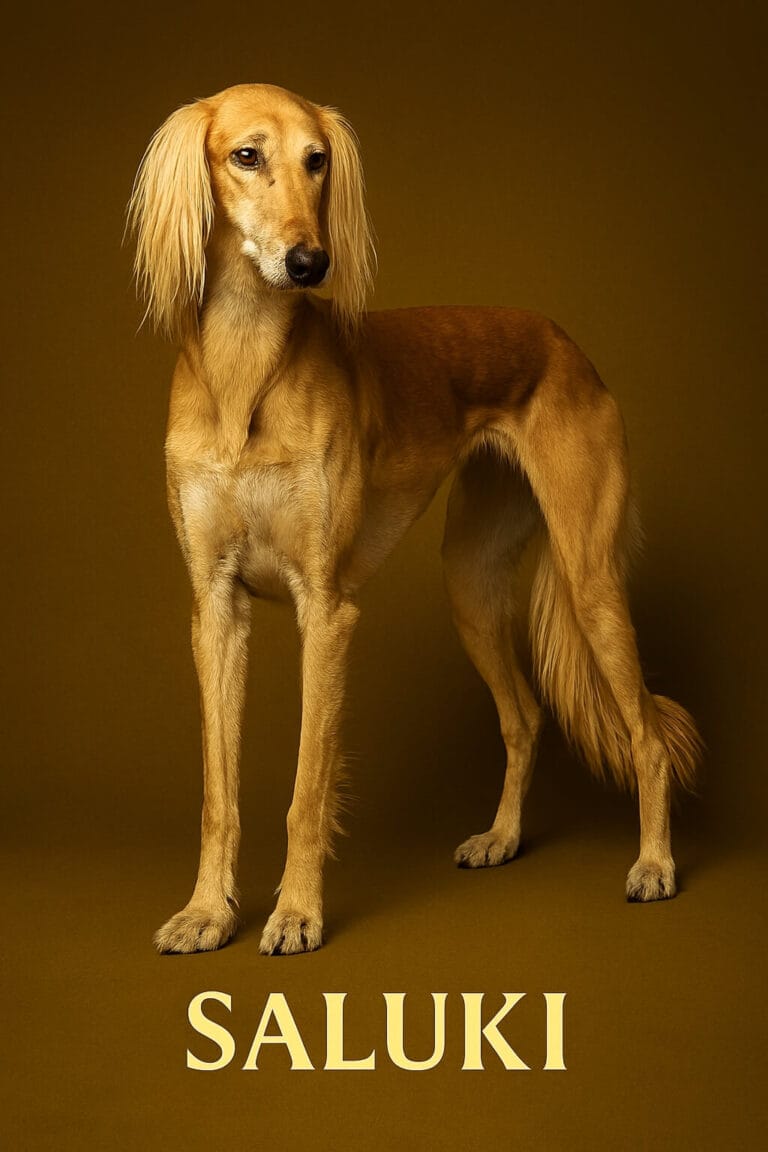
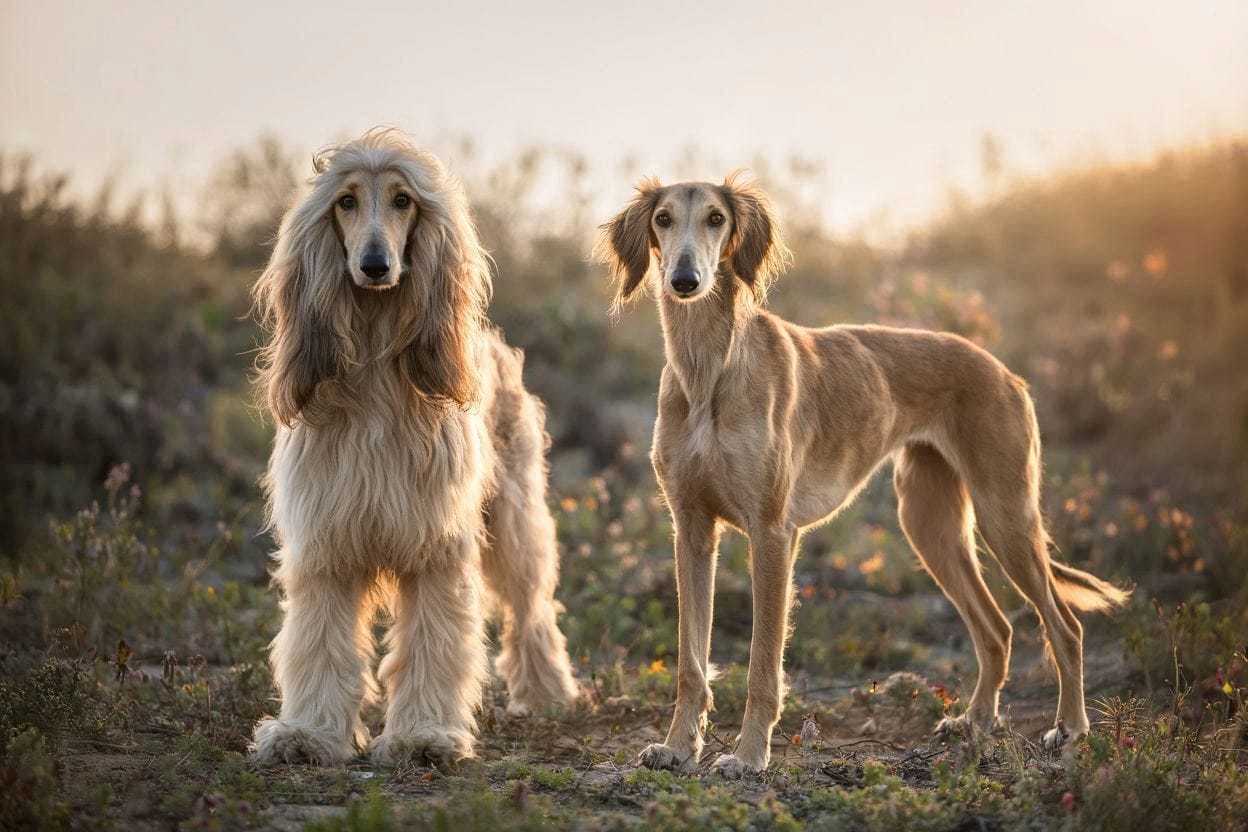
Published alongside: The Desert Aristocrat — Saluki. Together, these two ancient sighthounds embody the twin legacies of mountain majesty and desert wind, living testaments to humanity’s oldest canine companions.
Credit
A big thank you to Microsoft for the visuals provided.
Also see
Discover the Saluki — the desert’s swift shadow, often considered the Afghan’s closest kin.