White Cat: The Hidden Myths and Magic Over Time
Introduction: A Living Canvas of Light
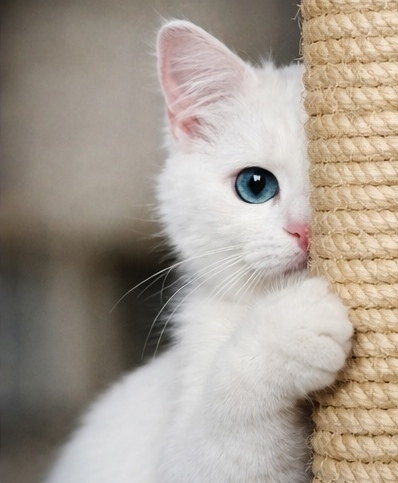
The white cat is a paradox in fur — a creature of purity wrapped in mystery. Its snowy coat has long been seen as a symbol of innocence, elegance, and even the supernatural. Unlike the black cat, which carries centuries of superstition about bad luck, the white cat often embodies the opposite: good fortune, protection, and purity. Yet beneath this pristine exterior lies a deeper story, one shaped by genetics, culture, and human imagination.
To encounter a white cat is to feel the tension between light and shadow. Its coat gleams like untouched snow, yet its gaze often carries something otherworldly, as if it knows secrets hidden from human eyes. Across centuries, people have projected their hopes and fears onto this pale figure — seeing in it a guardian, a blessing, or a messenger from realms beyond. The white cat is not simply an animal; it is a living symbol, a paradox that embodies both innocence and enigma.
To see a white cat is to glimpse a living canvas — a silent guardian painted in light.
Origins and History: From Temples to Folklore
The story of the white cat stretches across civilizations, blending reverence, superstition, and artistry. Wherever humans have lived with cats, the pale‑coated feline has carried meanings beyond its fur — a living symbol of purity, luck, and mystery.
Ancient Egypt
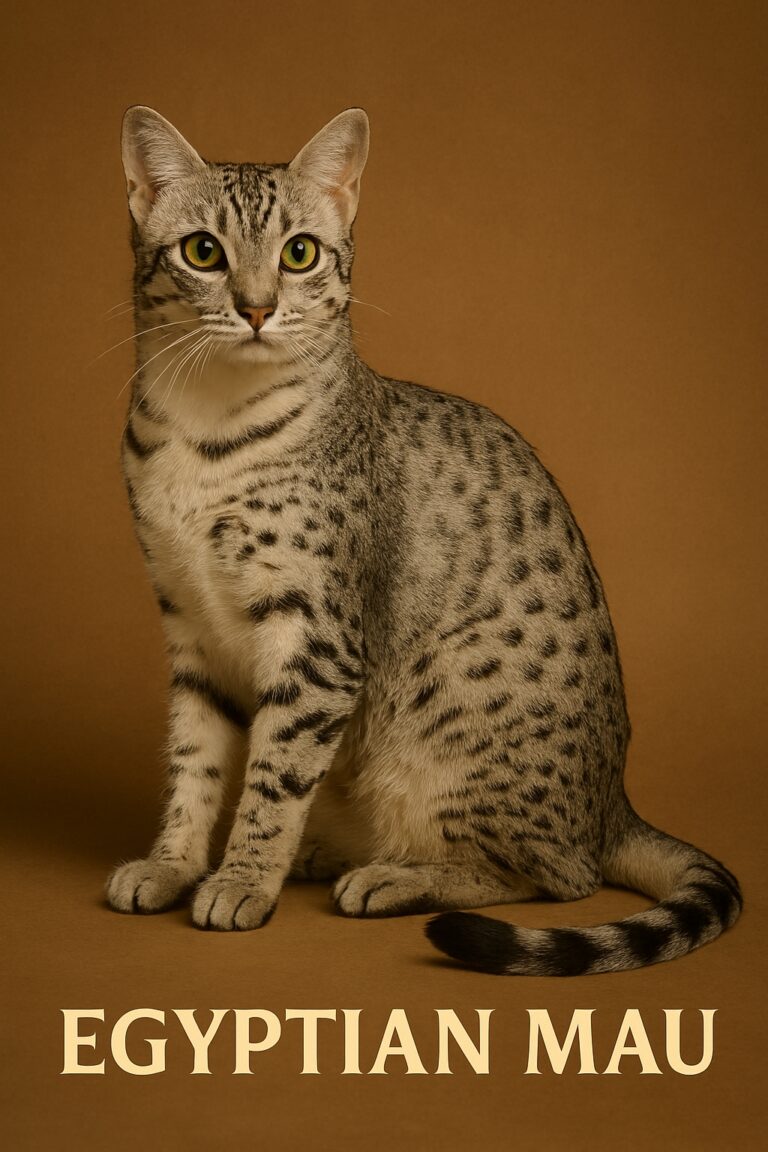
In the temples of Bastet, cats were already sacred, protectors of home and harvest. Yet pale‑coated cats carried an extra layer of reverence. Their snowy fur was seen as divine light made flesh, a reflection of purity in a land where sunlight itself was worshipped. To own a white cat was to hold a fragment of the sacred, a guardian whose very presence was a blessing.
Japan
Across the seas, Japanese folklore gave the world the Maneki‑neko, the “beckoning cat.” While golden and calico versions are common, the white figurine holds a special place. It represents purity, happiness, and fortune untouched by shadow. Even today, shopkeepers place white Maneki‑neko statues at their doors, believing the snowy coat beckons prosperity and serenity into their lives. The cultural thread is clear: the white cat is not just a pet, but a charm woven into daily life.
Europe
In Europe, rural traditions often cast the white cat as a harbinger of prosperity. To see one cross your path was not misfortune, but a promise of abundance. Sailors, forever at the mercy of storms, believed that a white cat aboard ship would protect them from the sea’s fury. Its pale coat was a beacon of safety, a living talisman against the unknown. In some regions, brides were gifted white cats, their snowy fur symbolizing fertility, purity, and the blessing of new beginnings.
Literature and Art
The white cat also prowled through manuscripts and novels, a ghost‑like figure in art and storytelling. In medieval illuminations, it appeared as a symbol of innocence. In gothic tales, it became a spectral guardian, embodying purity yet hinting at the supernatural. Its presence was always dual — comforting and mysterious, a creature that seemed to walk between worlds.
Fun Fact
In 19th‑century France, gifting a bride a white cat was considered a blessing for her marriage, its snowy coat a promise of luck, fertility, and light in her new life.
Physical Traits: A Coat of Snow
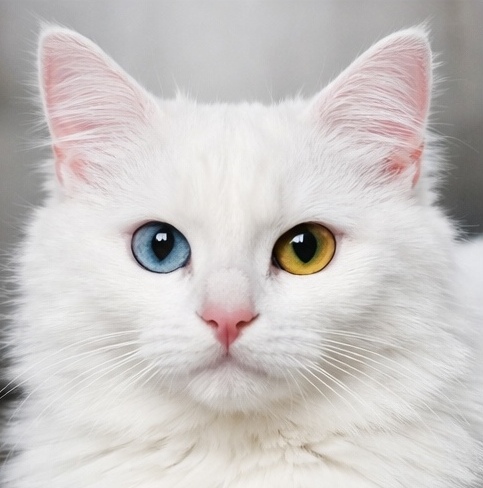
The white cat is not a breed but a color variation found across many feline lineages. Persians, Turkish Angoras, British Shorthairs, Ragdolls, and even humble domestic shorthairs can all wear the snowy coat. What unites them is the striking visual impact of pure white fur — a natural canvas that seems almost otherworldly, as if the cat carries a piece of winter or moonlight in its body.
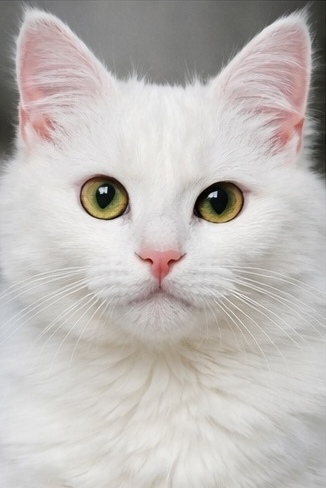
Their coats range from dazzling snow‑white to creamy ivory, often appearing luminous under sunlight. In certain angles, the fur seems to glow, giving the impression of a creature painted in light. This ethereal quality has long fascinated humans, who see in the white cat not just beauty but symbolism — a living embodiment of purity.
The eyes of white cats add another layer of mystique. Some gleam in shades of gold or green, while others shimmer in icy blue. Most striking of all are odd‑eyed cats, with one blue eye and one amber or green. To gaze into their dual stare is to feel as though you are being seen from two worlds at once — one eye rooted in the human realm, the other peering into the spiritual. In many cultures, this heterochromia was considered a gift, a sign that the cat could bridge the visible and invisible.
Genetics plays its part in this snowy illusion. The dominant “W” gene masks other coat colors, creating the pristine white appearance. Beneath the surface, a white cat may carry tabby stripes, ginger warmth, or even black patterns, but the gene cloaks them all in a veil of light. This genetic quirk is what makes the white cat appear so pure, even though its hidden lineage is far more colorful.
Yet beauty comes with vulnerability. White cats with the “W” gene and blue eyes are more prone to congenital deafness, a trait well‑documented across breeds. Not all are affected, but for those who are, owners often adapt with visual cues, gentle vibrations, and routines that allow communication without sound. Their silence becomes part of their mystique, a reminder that guardianship can take many forms.
Sunlight, too, can be both friend and foe. The pale fur and pink skin of white cats make them more susceptible to sunburn, especially on delicate areas like ears and nose. For this reason, many thrive best indoors or in shaded outdoor spaces, where their porcelain beauty is protected from the harshness of the sun.
Fun Fact
In some cultures, odd‑eyed white cats were believed to “see into two worlds” — one eye gazing into the human realm, the other into the spiritual.
Personality and Behavior: Grace with a Twist
White cats do not share a single personality type. Their temperament is shaped by breed, upbringing, and environment, yet across households, owners often describe them with a blend of elegance and surprise. They are creatures that embody refinement one moment and playful chaos the next, a paradox wrapped in fur.
Many white cats carry themselves with quiet grace, as if aware of the pristine canvas they wear. Their movements are often described as statuesque, flowing with a regal calm that makes them seem like living sculptures of light. To watch a white cat glide across a room is to witness elegance in motion, a reminder of why they have been revered for centuries.
Yet beneath this angelic exterior lies mischief. Owners are often caught off guard when their seemingly serene companion transforms into a whirlwind of play — chasing shadows across the floor, pouncing on toys with sudden ferocity, or darting through hallways with reckless abandon. The contrast between their snowy coats and their cheeky antics only deepens their charm, reminding us that purity and playfulness can coexist.
Affection is another hallmark of the white cat. Many bond deeply with their families, following their humans from room to room, curling into laps, and offering devotion in subtle, tender ways. Their loyalty is quiet but profound, expressed not through loud demands but through presence — the gentle shadow of companionship that never strays far.
Perhaps most captivating of all is the mystique of odd‑eyed white cats. With one blue eye and one gold or green, they seem to carry dual personalities in their gaze. Owners often describe the sensation of being looked at by two beings at once — one eye calm and earthly, the other distant and otherworldly. This duality adds to their aura of mystery, making them feel like guardians who straddle both the human and the spiritual.
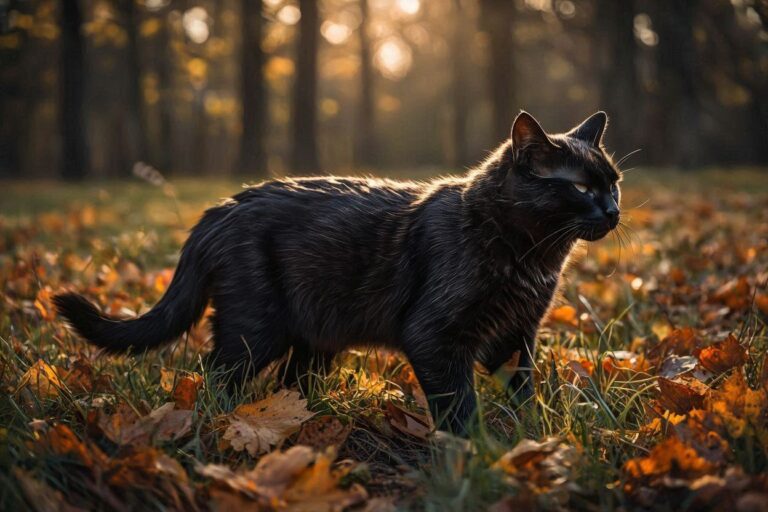
If the black cat is often seen as the shadow, the white cat is the light. Together, they form a yin‑yang balance in feline folklore — one feared, one cherished, yet both equally enigmatic.
Cultural Significance: Purity, Luck, and Myth
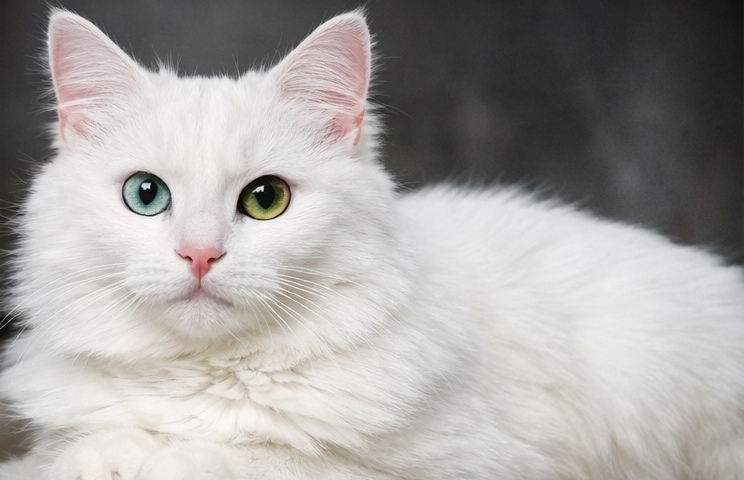
Across cultures, the white cat has carried meanings that balance and complement those of its darker counterpart. If the black cat is shadow, the white cat is light — together, they form a yin‑yang of feline folklore, opposites that mirror humanity’s fascination with mystery and symbolism. The snowy coat has been seen as a blessing, a charm, and even a supernatural guardian, weaving its way into traditions across continents.
Japan
In Japan, the white Maneki‑neko figurine is more than decoration; it is a charm for purity, happiness, and fortune. Placed in homes and shops, it beckons prosperity with its raised paw, its snowy coat symbolizing innocence and positivity. Even today, the sight of a white Maneki‑neko in a storefront window is a promise of welcome and serenity, a cultural thread that ties modern life to centuries of belief.
Europe
In rural Europe, the white cat was often seen as a harbinger of prosperity. To have one cross your path was not misfortune but a sign that abundance was near. Sailors, forever at the mercy of storms, believed that a white cat aboard ship would protect them from the sea’s fury, its pale coat a beacon of safety against the dark waves. In some regions, brides were gifted white cats, their fur representing fertility, purity, and the blessing of new beginnings. These traditions reveal how deeply the white cat was woven into the fabric of everyday hopes and fears.
Literature and Art
The white cat also prowled through literature and art, often as a symbol of innocence or supernatural guardianship. In gothic tales, it appeared as a ghost‑like presence, embodying purity yet carrying an air of mystery. Its odd‑eyed gaze — one blue, one amber — was interpreted as a bridge between worlds, a creature that could see both the human and the spiritual. Artists and writers alike used the white cat as a canvas for imagination, painting it as both comfort and enigma.
Yin and Yang
Where black cats were feared as omens of misfortune, white cats were cherished as bringers of luck. Yet both are bound by the same thread: human imagination. Together, they remind us that cats are mirrors of our beliefs — one cloaked in shadow, the other in light, both equally mysterious. The yin‑yang balance of feline folklore shows that neither is wholly good nor wholly bad, but both are reflections of the stories we tell ourselves.
Fun Fact
In Turkish folklore, odd‑eyed white cats were believed to be sacred protectors of mosques, their dual gaze symbolizing vigilance in both earthly and divine realms.
Health and Care: Beauty with Responsibility
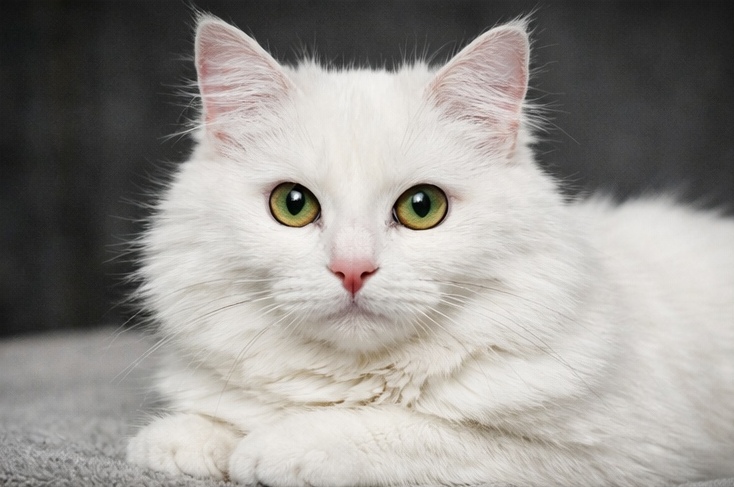
Behind the pristine coat lies a set of unique challenges that make the white cat both beautiful and vulnerable. To live with one is to embrace not only its elegance but also the responsibility of protecting that fragile purity.
One of the most well‑documented traits is the link between blue‑eyed white cats and congenital deafness. Not every white cat is affected, but the genetic connection is undeniable. For those who are, silence becomes part of their identity. Owners often adapt by using visual cues, gentle vibrations, or predictable routines to communicate. In this way, the bond between human and cat deepens, built not on sound but on trust and subtle signals.
Sunlight, too, can be both friend and foe. The pale fur and pink skin of white cats make them more susceptible to sunburn, especially on delicate areas like ears and nose. Indoor living or shaded outdoor spaces are essential, and some veterinarians even recommend pet‑safe sunscreen for added protection. To care for a white cat is to remember that beauty can be fragile, requiring vigilance against the very light that makes them shine.
Their snowy coats, while stunning, also demand regular grooming. Dirt shows more easily on white fur, and long‑haired breeds such as Persians or Turkish Angoras are prone to matting if neglected. Brushing becomes not just a chore but a ritual — a way of preserving their luminous appearance while strengthening the bond between cat and caretaker.
Like all cats, white felines thrive on balanced diets, regular veterinary check‑ups, and safe environments. Yet their vulnerabilities mean preventive care is especially important. A lapse in attention can compound quickly, turning small risks into larger health concerns. To live with a white cat is to accept that their beauty comes with responsibility, a reminder that guardianship is as much about care as it is about admiration.
Care Tip
Think of the white cat as a porcelain treasure — stunning to behold, but requiring mindful care to keep it safe and shining.
Quick Facts: The White Cat
The white cat is not a breed in itself but a color variation that appears across many feline lineages. From Persians and Turkish Angoras to British Shorthairs and domestic shorthairs, the snowy coat can emerge wherever the dominant “W” gene masks other colors. This genetic quirk creates the illusion of pure white fur, even though beneath the surface the cat may carry tabby stripes, ginger warmth, or black patterns hidden from view.
Their coats range from dazzling snow‑white to soft ivory, often luminous in sunlight, giving them an ethereal glow that has fascinated humans for centuries. Their eyes add another layer of mystique: some shine in shades of gold or green, others shimmer in icy blue, and the most striking of all are odd‑eyed cats, with one blue eye and one amber or green. This condition, known as heterochromia, has long been interpreted as a sign of dual vision — one eye gazing into the human world, the other into the spiritual.
Yet beauty comes with unique traits and vulnerabilities. Blue‑eyed white cats are more prone to congenital deafness, a well‑documented genetic link that does not affect all but remains significant. Their pale fur and pink skin also make them more susceptible to sunburn, particularly on delicate areas like ears and nose. For this reason, white cats often thrive best indoors or in shaded outdoor spaces, where their porcelain beauty is protected from the harshness of the sun.
Symbolically, the white cat has carried meanings of purity, luck, innocence, and mystery across cultures. To care for one is to embrace both its elegance and its fragility, ensuring regular grooming to keep its coat pristine and attentive communication for those who cannot hear. In every gleam of white fur lies not just beauty, but responsibility — a reminder that guardianship is as much about care as it is about admiration.
FAQ: The White Cat
One of the most common questions about white cats is whether they are all deaf. The answer is no. While there is a genetic link between blue eyes and congenital deafness, not every white cat is affected. Many hear perfectly well, and those who do experience deafness often adapt beautifully with the help of attentive owners who use visual cues, vibrations, and predictable routines to communicate.
Another question often asked is whether white cats require special care. The truth is, they do. Their pale skin makes them more vulnerable to sunburn, particularly on delicate areas such as the ears and nose. For this reason, indoor living or shaded outdoor spaces are best. Regular grooming also plays a vital role in keeping their snowy coats pristine, ensuring they remain as luminous as they appear in folklore.
People also wonder whether white cats are rare. While they are less common than other coat colors, they are not exceptionally rare. Their snowy coats can appear across many breeds, from Persians and Turkish Angoras to domestic shorthairs, making them a fascinating variation rather than a rarity.
The odd‑eyed trait, known as heterochromia, is another source of curiosity. Caused by genetics, it is harmless and adds to the mystique of the white cat. To gaze into one blue eye and one amber or green eye is to feel as though you are being seen from two worlds at once — a duality that has inspired myths and legends for centuries.
Finally, there is the question of luck. Do white cats symbolize good fortune? In many cultures, the answer is yes. In Japan, the white Maneki‑neko figurine represents purity and happiness, beckoning prosperity into homes and shops. In Europe, a white cat crossing your path was often seen as a sign of prosperity, a promise of abundance rather than misfortune.
Conclusion: The Living Symbol
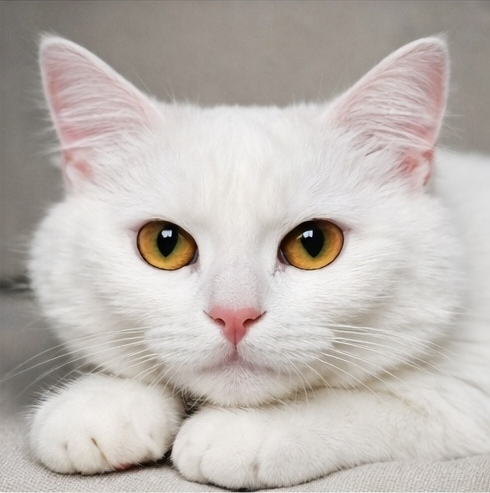
The white cat is far more than a coat color — it is a paradox, a creature of purity wrapped in mystery. Across cultures and centuries, it has been cherished as a symbol of luck, innocence, and protection. Its snowy fur reflects light like a mirror of purity, while its odd‑eyed gaze hints at unseen worlds, reminding us that beauty often carries secrets beneath the surface.
If the black cat is shadow, the white cat is light. Together, they form a yin‑yang of feline folklore — one feared, one revered, yet both equally enigmatic. To live with a white cat is to share your home with a living legend, a guardian of silence and serenity, a companion whose presence feels both earthly and otherworldly.
The white cat endures as a timeless symbol, a creature that embodies humanity’s fascination with purity, mystery, and the balance of opposites. Its story is not just written in fur but in the beliefs and imaginations of those who have lived alongside it.
Final Word
In every gleam of white fur lies a story — of purity, of myth, of mystery. The white cat endures, a timeless guardian in a world forever seeking meaning in its silent gaze.
Learn more on the White Cat
International Cat Care – White Cats and Deafness
Smithsonian Magazine – Cats in Ancient Egypt
Discover our other Black Cat Blog
Black Cat: Mystery of the Ancient Time and Magic
Credit
A thank you to Microsoft for images provided