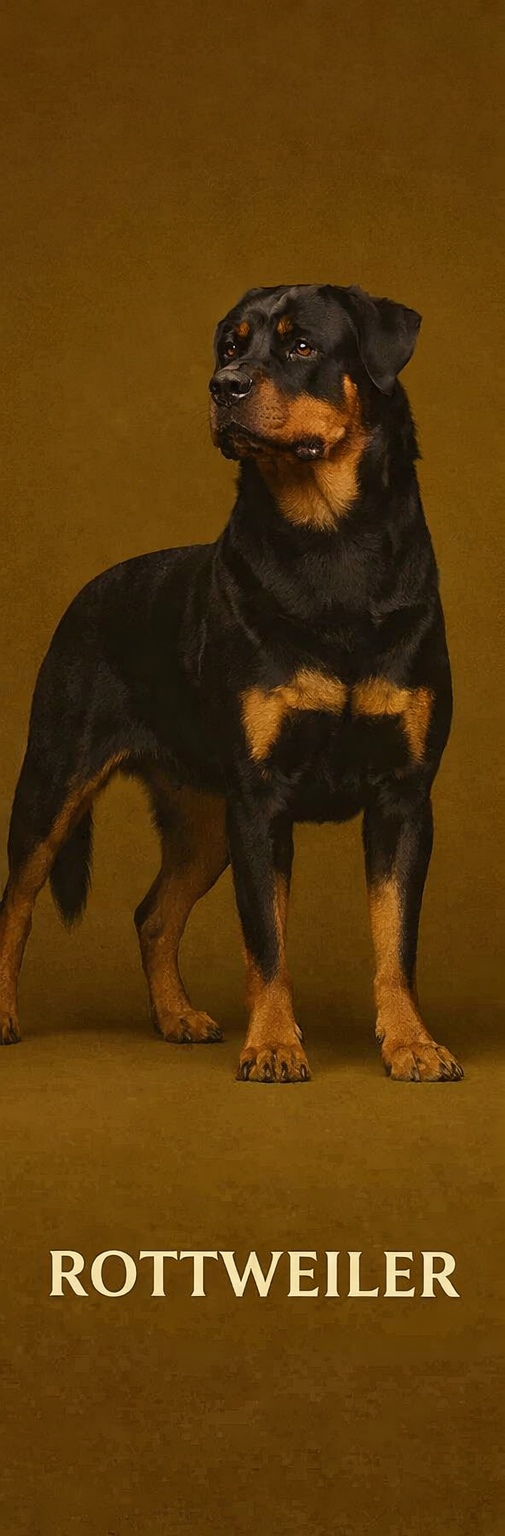
Rottweiler Secrets of the History to Modern Time
Introduction: The Watchful Guardian
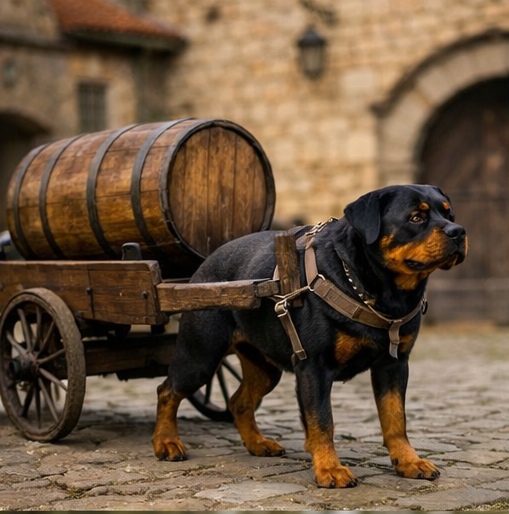
From the bustling streets of ancient Rome to the quiet homes of modern families, the Rottweiler has carried a reputation for strength, loyalty, and protection. This breed is more than a guard dog — it is a living symbol of resilience and partnership, a companion whose history stretches back nearly two thousand years.
Picture the Roman Empire at its height: legions marching across Europe, cattle herds driven to feed armies, and mastiff‑type dogs trotting alongside soldiers. These dogs were the ancestors of the Rottweiler, bred for endurance, courage, and the ability to guard both livestock and people. Over centuries, they evolved into the powerful, intelligent breed we know today.
The Rottweiler’s story is one of transformation. Once a drover’s dog guiding cattle through German markets, it later became a protector of merchants, a worker in police and military service, and finally a beloved family guardian. Through every era, one trait remained constant: an unshakable devotion to its human companions.
Today, the Rottweiler stands as both a working dog and a loyal household protector. Its muscular frame and confident presence may inspire awe, but beneath that strength lies a heart defined by loyalty, intelligence, and affection. Every Rottweiler carries centuries of heritage, embodying the enduring bond between humans and dogs.
Origins and History: From Rome to Rottweil
The Rottweiler’s story begins nearly two thousand years ago, in the heart of the Roman Empire. As legions marched across Europe, they relied on powerful mastiff‑type dogs to drive cattle, guard supplies, and protect soldiers. These dogs were bred for endurance and courage, able to travel long distances while keeping herds under control. They were the ancestors of the modern Rottweiler.
When the Roman Empire collapsed, these dogs remained in the regions they had helped conquer. In southern Germany, particularly around the town of Rottweil, they became indispensable to local life. Merchants and butchers used them to herd cattle to market, and their strength made them natural guardians of both livestock and valuables. In fact, Rottweilers were often trusted to carry purses of money tied around their necks — a living, breathing security system.
Over centuries, the breed adapted to changing human needs. As cattle driving declined with the rise of railroads, Rottweilers shifted roles. They became working dogs in police and military service, excelling in tasks that demanded strength, intelligence, and loyalty. Their versatility ensured their survival as a breed, even as their original purpose faded.
By the 20th century, the Rottweiler had gained recognition worldwide. From German heritage to global popularity, it transformed from a drover’s dog into a symbol of protection and companionship. Today, the breed carries both its Roman legacy and its German identity, standing as one of the most respected working dogs in history.
Fun Fact
The town of Rottweil still celebrates its canine namesake, with monuments and festivals honoring the breed’s role in shaping local culture.
Physical Traits: Power in Motion
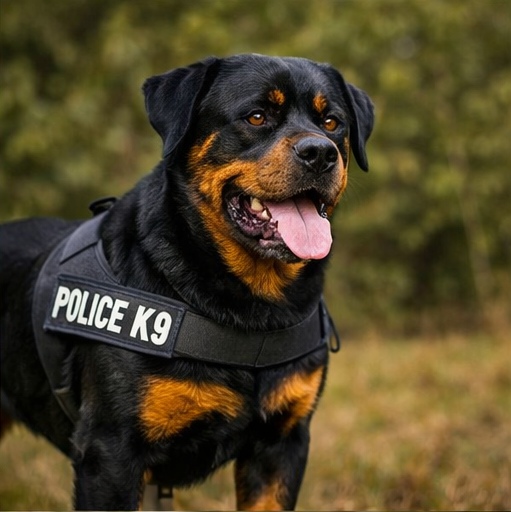
The Rottweiler is instantly recognizable: a muscular, broad‑chested dog whose presence commands respect. Every aspect of its build reflects centuries of selective breeding for strength, endurance, and protection.
Size and Build
Adult Rottweilers typically weigh between 40–60 kilograms (90–130 pounds), with males often larger than females. Their frame is compact yet powerful, designed for both agility and raw strength. Unlike lanky sighthounds or lean herding dogs, the Rottweiler’s body is stocky and solid — a living fortress on four legs.
Coat and Markings
Their short, dense coat is predominantly black, accented with distinct rust‑colored markings above the eyes, on the muzzle, chest, and legs. These markings give the breed its iconic “eyebrow” expression, often interpreted as a look of alert intelligence. The coat requires minimal grooming but provides protection against varied climates.
Strength and Bite Force
The Rottweiler’s jaws are among the strongest in the canine world, with an estimated bite force of 328 PSI (pounds per square inch). For comparison, a German Shepherd averages around 238 PSI, while a lion reaches 650 PSI. This formidable bite made Rottweilers reliable guardians of cattle and property, capable of deterring predators and threats.
Agility and Endurance
Despite their bulk, Rottweilers are surprisingly agile. They can sprint with speed, leap with power, and sustain moderate endurance work. Historically, this allowed them to drive cattle over long distances, and today it makes them versatile working dogs in police, military, and rescue roles.
Fun Fact
The Rottweiler’s distinctive rust markings were once thought to help identify them in low light, ensuring drovers could spot their dogs even at dusk.
Personality and Behavior: Loyal Protector
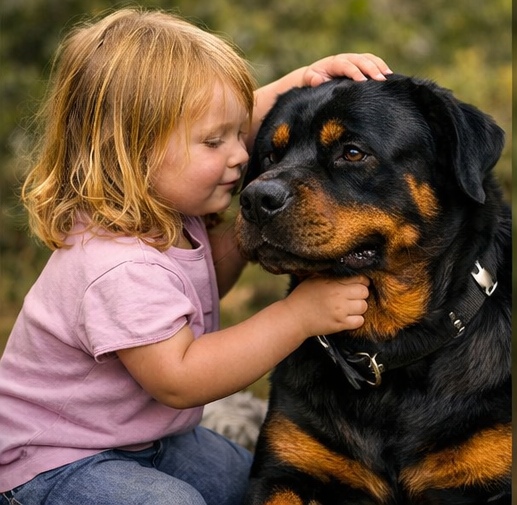
The Rottweiler’s personality is a blend of confidence, loyalty, and intelligence. Beneath its imposing frame lies a dog deeply devoted to its family, a protector whose instincts are balanced by affection and calmness.
Temperament
Rottweilers are naturally confident and self‑assured. They carry themselves with quiet strength, rarely aggressive without cause. When properly trained and socialized, they are calm companions who thrive on structure and routine.
Guarding Instinct
Centuries of guarding cattle and merchants have left their mark. Rottweilers are instinctive protectors, quick to sense danger and unwavering in their defense of family and territory. This guarding instinct makes them excellent watchdogs, but it also requires responsible ownership to ensure their protective nature is guided, not unchecked.
Intelligence and Trainability
Rottweilers are highly intelligent, ranking among the top working breeds. They learn quickly, respond well to consistent training, and excel in obedience, tracking, and service work. Their problem‑solving ability reflects their heritage as dogs that once managed herds and safeguarded valuables.
Affection and Family Bonds
Despite their reputation as fierce guardians, Rottweilers are affectionate with those they trust. They form deep bonds with their families, often described as “velcro dogs” because of their desire to stay close. With children, they can be gentle giants, protective yet patient, provided they are raised with proper socialization.
Fun Fact
Rottweilers are known for their “leaning” behavior — pressing their body against their owners as a sign of affection and trust. It’s their way of saying, “I’m here, and I’ve got you covered.”
Recognition and Popularity: From Working Dog to Family Icon
The Rottweiler’s reputation has shifted dramatically over the centuries. Once a drover’s dog guiding cattle through German markets, it evolved into a versatile working breed recognized worldwide for its strength, intelligence, and loyalty.
Working Roles
Rottweilers became indispensable in police and military service during the 20th century. Their combination of power, obedience, and courage made them ideal for tasks such as guarding, search‑and‑rescue, and even messenger work during wartime. Today, they continue to serve in law enforcement and protection roles across the globe.
Family Guardians
Beyond their working life, Rottweilers gained popularity as family companions. Their protective instincts, when paired with proper training, make them devoted guardians of households. Many owners describe them as affectionate “gentle giants” who balance toughness with tenderness.
Global Popularity
The breed is consistently ranked among the most popular worldwide, especially in countries like Germany, the United States, and South Africa. Their image as loyal protectors resonates across cultures, making them a symbol of strength and devotion.
Misunderstood Reputation
Despite their popularity, Rottweilers have sometimes been unfairly labeled as aggressive. In reality, their temperament depends heavily on training and socialization. With responsible ownership, they are calm, reliable, and deeply affectionate companions.
Fun Fact
In medieval Germany, Rottweilers were nicknamed Metzgerhund — “butcher’s dogs” — because they not only drove cattle but also protected butchers’ money purses tied around their necks.
Cultural Significance: Symbol of Strength
The Rottweiler is more than a breed; it is a living emblem of endurance. Its name ties it forever to the German town of Rottweil, where it once served as the butcher’s dog, driving cattle and guarding purses of money. But the breed’s survival was not guaranteed.
Near Extinction
By the late 19th century, the rise of railroads made cattle driving obsolete. Without their traditional role, Rottweilers faced decline. Numbers dwindled so severely that the breed nearly vanished. It was only through the dedication of German breeders — who recognized the dog’s working potential — that the Rottweiler was preserved. They repurposed the breed for police, military, and service work, ensuring its survival into the modern era.
Symbol of Strength and Loyalty
Today, the Rottweiler represents courage, loyalty, and protection. Its muscular frame and confident demeanor make it a symbol of resilience, while its affectionate nature reminds us that strength and gentleness can coexist.
Pop Culture and Modern Image
In films, literature, and popular culture, the Rottweiler is often portrayed as the ultimate guard dog. While this image emphasizes its power, it sometimes overshadows the breed’s affectionate side. In reality, Rottweilers are family‑oriented companions whose devotion rivals their protective instincts.
Fun Fact
The breed’s revival was so successful that by the mid‑20th century, Rottweilers were among the most popular working dogs worldwide, transforming from near extinction to global recognition.
Health and Care: Strong but Vulnerable
The Rottweiler may look like a fortress of muscle and confidence, but like all breeds, it has vulnerabilities that owners must understand. Proper care ensures that this powerful guardian lives a full, healthy life.
Lifespan
Rottweilers typically live 8–10 years, a shorter lifespan compared to smaller breeds. Their large size and genetic predispositions make health management especially important. With attentive care, some Rottweilers reach 12 years or more.
Common Health Issues
- Hip and elbow dysplasia: Joint problems are common due to their heavy build.
- Heart conditions: Subaortic stenosis (SAS) is a known risk in the breed.
What is SAS? It’s a narrowing just below the heart’s aortic valve, which forces the heart to pump harder — like water struggling through a kinked hose. Over time, this strain can thicken the heart muscle and reduce efficiency.
Impact: Mild cases may go unnoticed, but severe cases can cause fainting, weakness, or even sudden collapse.
Management: Vets may prescribe medication to ease strain, and responsible breeders often screen for SAS to reduce its occurrence.
- Obesity: Without regular exercise, their muscular frame can quickly turn into excess weight, straining joints and organs.
- Cancer: Certain cancers, particularly bone cancer, occur more frequently in large breeds like the Rottweiler.
Care Needs
- Exercise: Daily activity is essential — walks, play, and structured training keep them fit and mentally stimulated.
- Diet: A balanced, protein‑rich diet supports muscle health while preventing obesity.
- Training and Socialization: Early, consistent training ensures their protective instincts are guided positively.
- Veterinary Care: Regular check‑ups help detect and manage conditions early.
Adaptability
Despite their vulnerabilities, Rottweilers are remarkably resilient. With proper care, they thrive in diverse environments — from family homes to working roles — proving that strength is not just physical but also rooted in their bond with humans.
Fun Fact
Rottweilers are sometimes called “shadow dogs” because they love following their owners everywhere. This close companionship not only strengthens emotional bonds but also helps owners notice health changes early.
Cost to Own a Rottweiler
Owning a Rottweiler is a rewarding commitment, but it comes with significant financial responsibility.
Purchase/Adoption
- USD $200 – $8,000 / EUR €180 – €7,500 / ZAR R3,000 – R122,000+
- Adoption fees are lower: USD $100 – $400 / EUR €90 – €350 / ZAR R1,500 – R3,000
Annual Costs
- Food: USD $840 – $1,800 / EUR €780 – €1,680 / ZAR R12,000 – R21,600
- Vet Care: USD $250 – $500 / EUR €230 – €460 / ZAR R3,000 – R6,000
- Insurance: USD $300 – $400 / EUR €280 – €370 / ZAR ~R4,600
- Miscellaneous (toys, treats, gear): USD $480 – $960 / EUR €440 – €900 / ZAR R6,000 – R12,000
Total Annual Estimate
- USD $1,870 – $3,660
- EUR €1,730 – €3,410
- ZAR R25,600 – R44,200
Training and Socialization
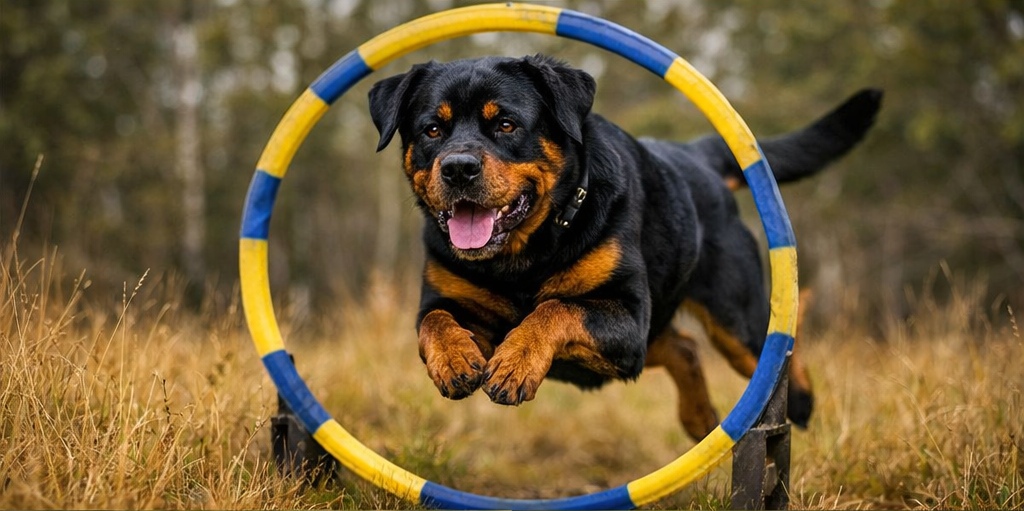
Owning a Rottweiler is not just about covering costs — it’s about guiding their strength and intelligence. Training is a lifelong responsibility, not an optional extra.
Early Training
Start from puppyhood. Positive reinforcement and consistency are key to shaping their protective instincts into calm confidence.
Obedience
Commands like sit, stay, heel, and recall are safety anchors for a powerful breed.
Socialization
Exposure to children, strangers, and other animals ensures they grow into balanced companions rather than reactive guardians.
Mental Stimulation
Puzzle toys, agility, and advanced obedience keep their sharp minds engaged.
Bonding
Training builds trust. Every session strengthens the bond between dog and owner, turning raw power into loyalty.
School for Rottweiler’s Tuition Fees
- Basic obedience classes: USD $500–$1,200 / EUR €450–€1,100 / ZAR R9,000–R22,000 per course
- Advanced training (protection, agility, therapy): USD $1,500–$3,000+ annually / EUR €1,400–€2,800+ / ZAR R27,000–R55,000+
- Private trainers: Often double group class rates
Final Note: Rottweilers and Children
If you’re planning to get a Rottweiler for your child, training is not optional — it is a must.
- A Rottweiler’s natural strength and protective instincts can be overwhelming without guidance.
- Proper training teaches patience, gentleness, and respect, ensuring the dog understands how to interact safely with children.
- Schools often recommend starting with basic obedience first, then moving to advanced training if the Rottweiler will be closely bonded with kids.
Never assume love alone is enough. A Rottweiler must be taught how to live alongside children — otherwise, you’re gambling with instincts instead of shaping them.
Practical Guide: Living With a Rottweiler
Living with a Rottweiler is both rewarding and demanding. This breed thrives when given structure, companionship, and purposeful activity. For owners who understand its needs, the Rottweiler becomes not just a pet, but a loyal partner.
Training and Socialization
Early training is essential. Rottweilers are intelligent and eager to learn, but their protective instincts must be guided from puppyhood. Positive reinforcement, consistency, and exposure to different people and environments help shape a balanced, confident adult dog.
Exercise and Stimulation
Daily exercise is non‑negotiable. Walks, play sessions, and structured activities like obedience training or agility keep them physically fit and mentally sharp. Without stimulation, boredom can lead to destructive behaviors.
Companionship
Rottweilers are deeply bonded to their families. They thrive when included in daily life, whether lounging indoors or accompanying owners outdoors. Leaving them isolated for long periods can lead to anxiety or frustration.
Suitability for Owners
This breed is best suited for experienced owners who can provide leadership and structure. A Rottweiler respects confident guidance and flourishes in households where boundaries are clear and affection is abundant.
Fun Fact
Rottweilers are sometimes called “clowns in a guardian’s body” — while they look serious, many are playful and goofy with their families, showing a lighter side that surprises those who only know their tough reputation.
Quick Facts: The Rottweiler
For readers who want the essentials at a glance, here are the key highlights of this powerful guardian:
- Origin: Ancient Rome → Rottweil, Germany.
- Role: Herding cattle, guarding merchants, later police and military service.
- Size: 40–60 kg (90–130 lbs), muscular and broad‑chested.
- Coat: Short, dense, black with distinct rust markings.
- Temperament: Confident, loyal, protective, affectionate with family.
- Near Extinction: Numbers plummeted in the 19th century when railroads replaced cattle driving, but dedicated breeders revived the lineage.
- Legacy: From drover’s dog to beloved family guardian, now one of the world’s most respected working breeds.
Fun Fact
In medieval Germany, Rottweilers were trusted to carry purses of money tied around their necks — a living security system that merchants relied on during market days.
FAQ: The Rottweiler
- Are Rottweilers naturally aggressive?
No. Rottweilers are confident and protective, but aggression usually stems from poor training or neglect. With proper socialization, they are calm, affectionate, and reliable companions.
- Do Rottweilers make good family dogs?
Yes — when raised with structure and care, they are loyal and gentle with children. Their protective instincts make them excellent guardians, but supervision and early training are essential.
- How much exercise does a Rottweiler need?
Rottweilers require at least an hour of daily exercise, including walks, play, and mental stimulation. Without activity, they may become restless or destructive.
- What health problems are common in Rottweilers?
They are prone to hip dysplasia, heart conditions, obesity, and certain cancers. Regular vet check‑ups and a balanced lifestyle help manage these risks.
- Are Rottweilers easy to train?
Yes — they are intelligent and eager to learn, but they need consistent, confident leadership. Positive reinforcement works best, and early training is crucial to guide their protective instincts.
- Can Rottweilers live in apartments?
They can adapt to apartment living if given enough exercise and mental stimulation. However, their size and energy mean they thrive best in homes with space to move.
Fun Fact
Rottweilers are sometimes nicknamed “butcher’s dogs” because of their historic role in guarding cattle and merchants’ money purses in medieval Germany.
Conclusion: The Guardian That Endures
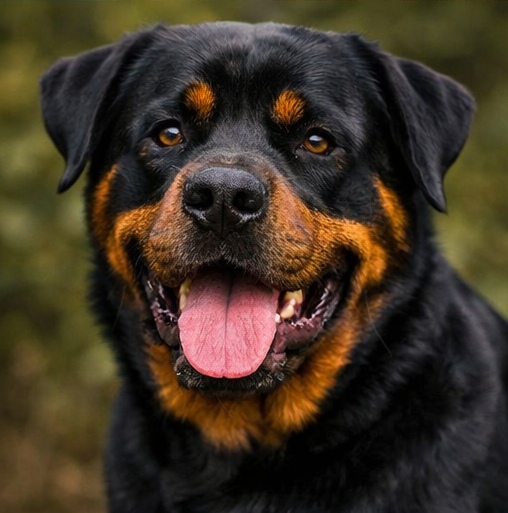
The Rottweiler’s journey is one of resilience. From Roman war dogs to German cattle drovers, from near‑extinction to global recognition, this breed has endured every challenge history placed before it. Its survival is a testament to both human dedication and the dog’s own adaptability.
Though its muscular frame and commanding presence inspire awe, the true essence of the Rottweiler lies in its loyalty. It is a protector, a worker, and above all, a companion whose devotion runs as deep as its heritage. Every Rottweiler today carries centuries of history in its stride — the strength of Rome, the endurance of Rottweil, and the heart of a guardian who never faltered.
In a world where breeds rise and fade, the Rottweiler remains a constant: a living monument to courage, loyalty, and partnership. Its story reminds us that strength is not only measured in muscle, but in the bond between dog and human — a bond that has carried this breed across millennia.
Also Read
Dog’s we love Secret of The Lost Pleistocene Wolf
Further Reading and Resources
- American Kennel Club (AKC): Breed standard and history
- Federation Cynologique Internationale (FCI): International breed classification.
- South African Kennel Union (SAKU): Local breed info.
- Veterinary Associations: Health resources on hip dysplasia, heart conditions, etc.
Credit
A big thank you to Microsoft for Images provided.